






What's Happening?
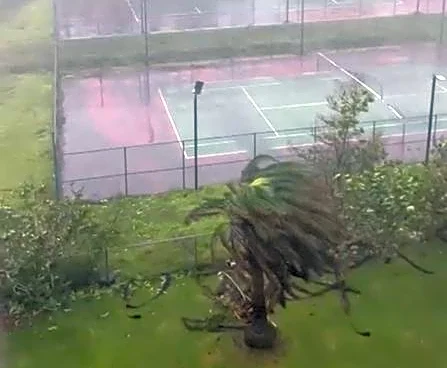
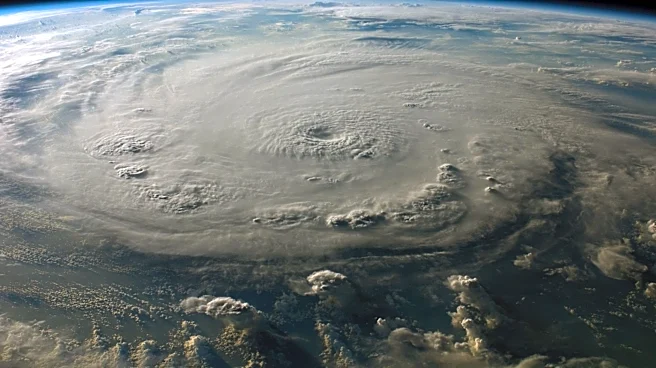
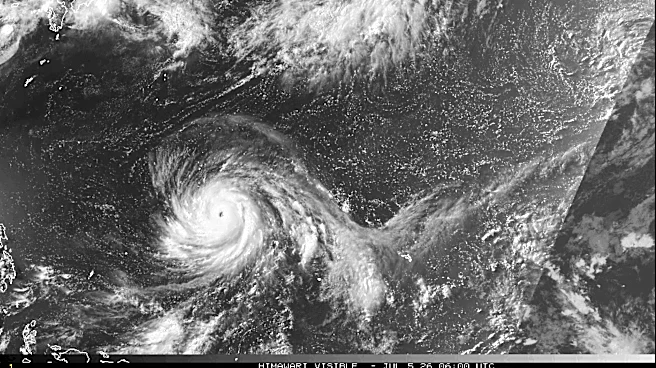
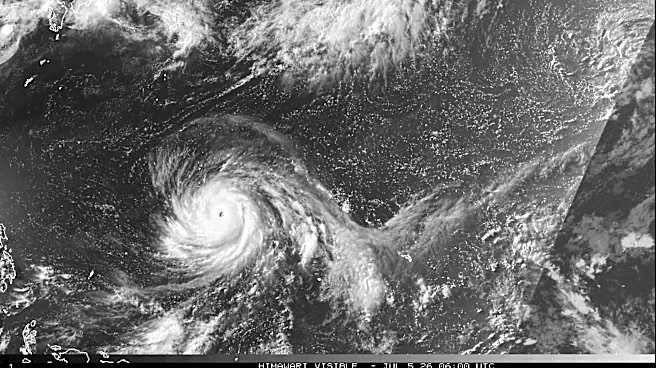
Super Typhoon Bavi, a Category 5 equivalent storm, is currently impacting the Mariana Islands, particularly the island of Rota. The typhoon is bringing life-threatening conditions with sustained winds of 175 mph and gusts exceeding 200 mph. This powerful
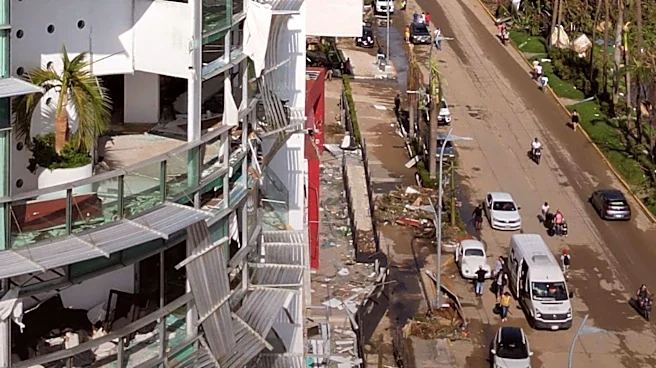
storm is the second to hit the region in recent months, following Super Typhoon Sinlaku in April, which caused over $1.5 billion in damages. Bavi is moving westward through warm ocean waters, maintaining its strength and causing significant rain, wind, and storm surge. The storm is expected to cause extensive power outages and damage across the islands. As Bavi progresses, it is forecasted to weaken slightly but will still pose a threat to northern Taiwan and mainland China later in the week.
Why It's Important?
The impact of Super Typhoon Bavi on the Mariana Islands is significant due to the potential for widespread destruction and long-term power outages. The storm's intensity highlights the vulnerability of island communities to extreme weather events, which are becoming more frequent and severe. The economic implications are substantial, as recovery efforts from previous storms are still ongoing. The typhoon's path towards Taiwan and China also raises concerns about further damage in these densely populated areas. The situation underscores the need for robust disaster preparedness and response strategies in the face of increasingly powerful storms.
What's Next?
As Super Typhoon Bavi continues its path, it is expected to weaken slightly but will still bring significant winds and rain to northern Taiwan and mainland China. Authorities in these regions are likely to prepare for potential flash flooding and power outages. The aftermath in the Mariana Islands will involve assessing the damage and beginning recovery efforts. International aid and support may be necessary to assist in rebuilding and providing relief to affected communities. The ongoing threat of severe weather events may prompt discussions on climate resilience and infrastructure improvements in vulnerable regions.