



What's Happening?
Congresswoman Marcy Kaptur (OH-09) has announced a significant federal investment of nearly $50 million for rail infrastructure in Northwest Ohio. The funding, provided through the U.S. Department of Transportation’s Federal Railroad Administration (FRA)
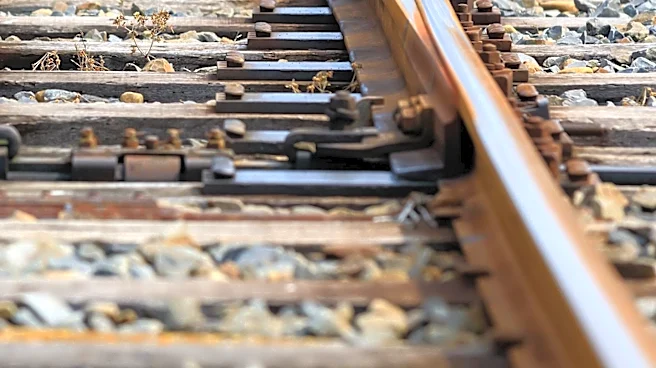
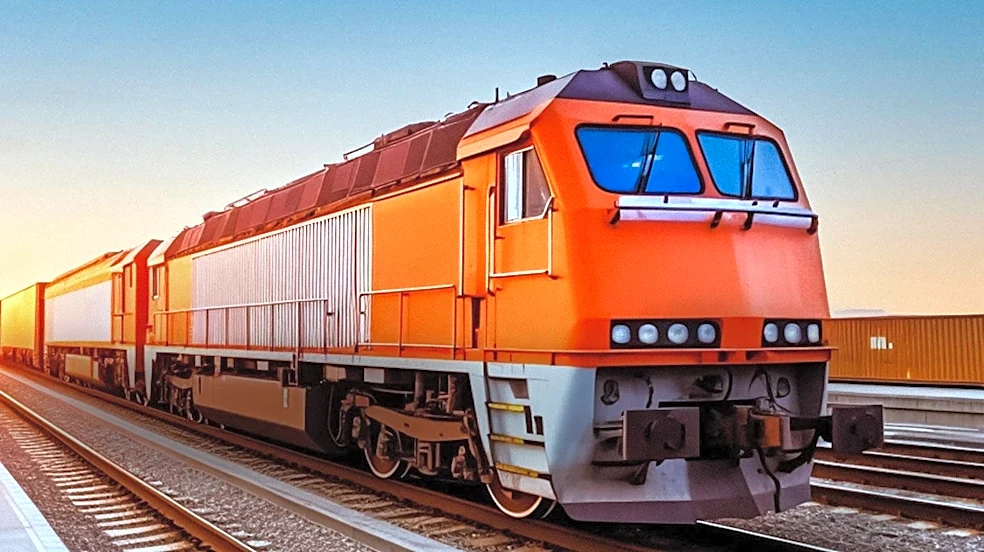
and its Consolidated Rail Infrastructure and Safety Improvements (CRISI) Program, will be allocated to two key projects. The Wheeling and Lake Erie Railway will receive $43.5 million to rehabilitate and modernize the Toledo Swing Bridge over the Maumee River. This includes upgrading eight of the eleven bridge spans and replacing timber fender systems, which will increase the bridge's capacity to support up to 286,000-pound railcars. Additionally, the Ohio Rail Development Commission (ORDC) will receive $5.6 million for track improvements on the Indiana Northeastern Railroad in Williams County, focusing on extending sidings, replacing rail, and resurfacing nine miles of the rail system. Congresswoman Kaptur emphasized that these investments are crucial for trade, job creation, and enhancing rail safety in the region.
Why It's Important?
This federal investment is vital for the economic health and logistical efficiency of Northwest Ohio, a region Congresswoman Kaptur describes as part of the industrial heartland of America. Improved rail infrastructure, particularly the Toledo Swing Bridge, will enhance the capacity and reliability of freight transportation, connecting the region to global markets. The Wheeling and Lake Erie Railway moves tens of thousands of freight cars annually, making these upgrades essential for supporting trade and reducing potential delays for both rail and maritime traffic on the Maumee River. The track improvements on the Indiana Northeastern Railroad will further bolster freight service reliability and safety, which is critical for businesses relying on rail transport. These projects are expected to create jobs and strengthen the region's industrial base, aligning with broader efforts to restore American manufacturing and industrial muscle. The funding also underscores the federal government's commitment to modernizing critical transportation networks, which can have ripple effects on supply chains and economic competitiveness.
What's Next?
A press conference is scheduled in Toledo, where Congresswoman Kaptur, the Toledo-Lucas County Port Authority, and representatives from the Wheeling and Lake Erie Railway will provide further details regarding the $43.5 million funding for the Toledo Swing Bridge. The rehabilitation and modernization of the bridge will proceed, aiming to increase its capacity and improve functionality. The Ohio Rail Development Commission will move forward with its plans to update track infrastructure on the Indiana Northeastern Railroad in Williams County. These projects are expected to enhance rail safety and freight service reliability across Northwest Ohio. Congresswoman Kaptur has previously secured other FRA awards for regional railways, indicating a continued focus on transportation infrastructure. The successful implementation of these projects could pave the way for future federal investments in the region's transportation network, further supporting its role in national and international trade.
Beyond the Headlines
The investment in Northwest Ohio's rail infrastructure highlights a broader national strategy to revitalize industrial regions and strengthen supply chains. Congresswoman Kaptur's advocacy for these projects reflects a long-standing commitment to bringing manufacturing jobs back to the Toledo area, a goal she has pursued since the implementation of NAFTA. The focus on rail infrastructure also aligns with the need for robust transportation networks to support industries that rely on steel, such as the production of Jeeps, tanks, and F-16s, which are crucial for both economic progress and national defense. This initiative also touches upon the ongoing political discourse surrounding infrastructure spending and its impact on local economies, particularly in swing districts like Ohio's 9th Congressional District. The emphasis on improving existing infrastructure rather than solely building new projects demonstrates a pragmatic approach to enhancing efficiency and safety within established transportation corridors.