








What's Happening?
The National Association of Letter Carriers is organizing the 34th annual Stamp Out Hunger Food Drive, scheduled for May 9. This event is recognized as the largest single-day food drive in the United States. Residents across Michigan and other states
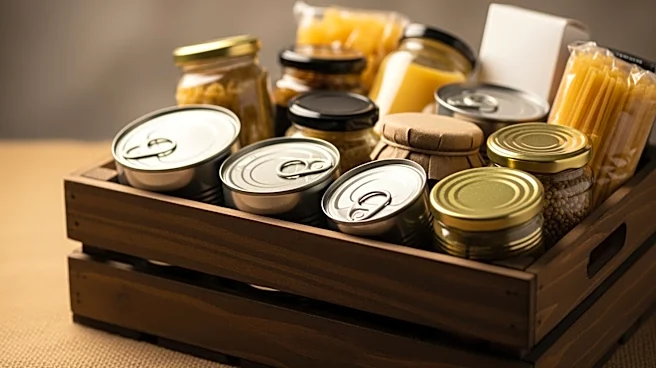
are encouraged to participate by leaving non-perishable food donations in bags by their mailboxes. These donations will be collected by letter carriers and delivered to local food pantries. Suggested donation items include cereals, dry milk, canned goods, and pasta, among others. The drive is crucial as many food banks and pantries are experiencing low supplies, with over 47 million Americans, including 14 million children and 7.4 million seniors, facing food insecurity. Historically, food banks receive most donations during the winter holidays, leading to depleted supplies by spring. The U.S. Postal Service supports this initiative through its extensive delivery network, reaching communities nationwide, including Puerto Rico, Guam, and the U.S. Virgin Islands.
Why It's Important?
The Stamp Out Hunger Food Drive is significant as it addresses the critical issue of food insecurity affecting millions of Americans. By restocking food pantries, the drive helps bridge the gap during the spring and summer months when donations typically dwindle, and school meal programs may not be available. This initiative not only provides immediate relief to those in need but also raises awareness about the ongoing challenges of hunger in the U.S. The involvement of the U.S. Postal Service ensures wide-reaching impact, leveraging its delivery network to facilitate the collection and distribution of food donations. The drive's success over the years, having collected over 1.94 billion pounds of food, underscores its vital role in supporting vulnerable populations and strengthening community resilience against food scarcity.
What's Next?
As the food drive approaches, community engagement and participation are crucial for its success. Residents are encouraged to prepare their donations and spread awareness about the event. Following the collection, local food pantries will distribute the donations to those in need, providing essential support during the summer months. The drive's outcome may influence future initiatives and partnerships aimed at combating hunger. Stakeholders, including local governments and non-profit organizations, may evaluate the drive's impact to enhance future food security strategies. Continued advocacy and support from the public and private sectors will be essential in addressing the root causes of food insecurity and ensuring sustainable solutions.