







What's Happening?
Southern California is bracing for a significant heat wave this week, with temperatures expected to soar into the triple digits. The National Weather Service has issued widespread heat advisories, warning of 'dangerously hot conditions' with temperatures ranging
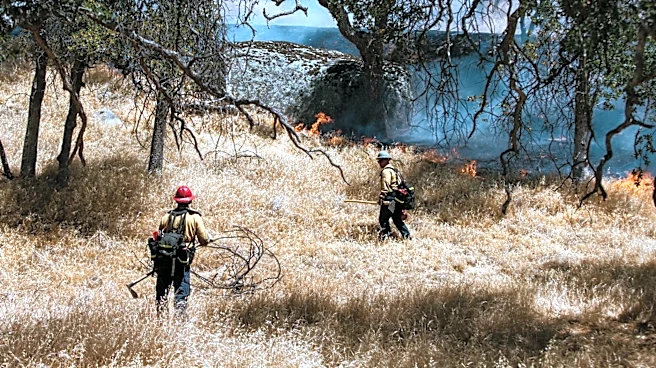
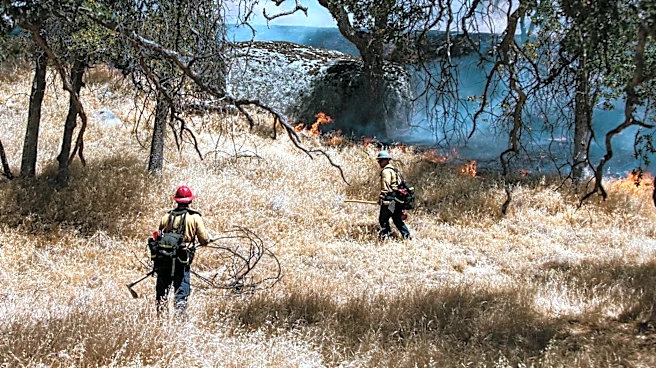
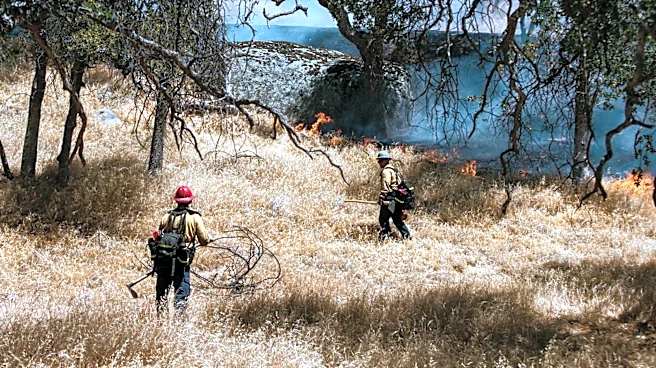
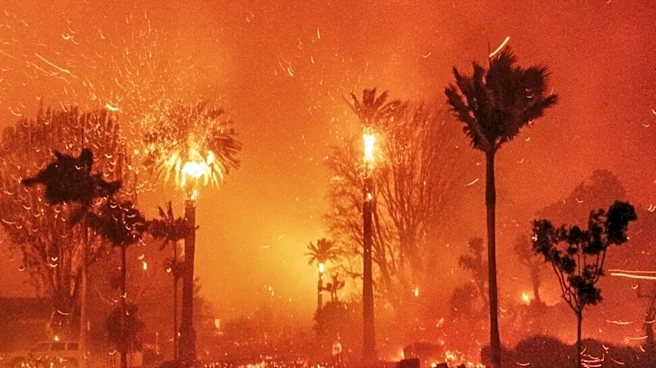
from 95 to 110 degrees in various regions. The San Fernando Valley and Antelope Valley are anticipated to experience some of the highest temperatures, potentially reaching 110 degrees. This extreme heat poses a high risk for heat-related illnesses, particularly affecting vulnerable populations such as the very young, the elderly, and those without air conditioning. The heat wave is also accompanied by increased humidity due to monsoonal moisture, which could exacerbate the overall impact of the heat. Additionally, there is a potential for thunderstorms and dry lightning, which could elevate the risk of wildfires in the region.
Why It's Important?
The impending heat wave in Southern California is significant due to its potential impact on public health and safety. High temperatures increase the risk of heat-related illnesses, which can be life-threatening, especially for vulnerable groups. The combination of heat and humidity can lead to dangerous conditions, making it crucial for residents to take precautions such as staying hydrated and avoiding outdoor activities during peak heat hours. Furthermore, the risk of wildfires is heightened due to the possibility of dry lightning and gusty winds, which can quickly spread fires in the dry, hot conditions. This situation underscores the importance of preparedness and awareness among residents and emergency services to mitigate the risks associated with extreme weather events.
What's Next?
As the heat wave progresses, residents and local authorities will need to remain vigilant. The National Weather Service advises people to monitor weather updates and heed heat advisories. Emergency services are likely to be on high alert for potential heat-related emergencies and fire outbreaks. Residents are encouraged to check on vulnerable neighbors and ensure they have access to cooling resources. The potential for thunderstorms and dry lightning means that fire departments may need to prepare for rapid response to any new fire incidents. Public health officials may also issue additional guidance to help mitigate the impact of the heat wave on the community.