






What's Happening?
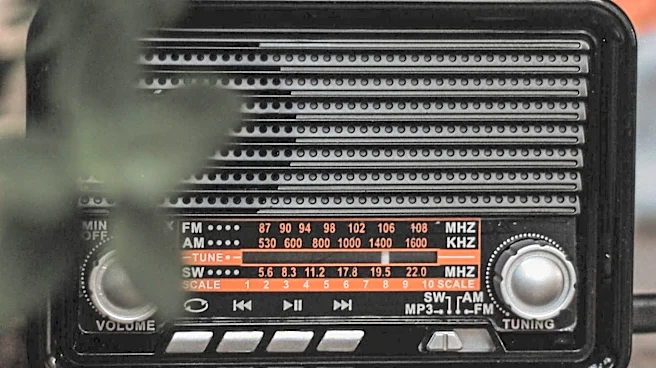
The U.S. House of Representatives has passed a bill aimed at requiring AM radio to be included in new vehicles, sending the legislation to the Senate for further consideration. The bill's proponents, including Florida Representative Gus Bilirakis, emphasize
the critical role of AM radio as a reliable source for emergency communications, especially during disasters when other communication networks may fail. They highlight that millions of Americans, particularly in rural communities, rely on AM radio for essential information such as weather forecasts, local news, and crop reports. Automakers have largely argued against the mandate, citing the technology as outdated and underused. However, supporters stress that in moments of crisis, AM radio can be the last resort for communities to receive vital alerts and information, making its inclusion in vehicles a matter of public safety.
Why It's Important?
This legislation holds significant importance for public safety, particularly in regions prone to natural disasters or with limited broadband access. In emergencies, such as hurricanes or widespread power outages, traditional communication channels like cell service and internet can become inoperable. AM radio, with its broad reach and resilience, often remains functional, providing a crucial lifeline for residents to receive evacuation orders, safety instructions, and updates. For rural communities and older Americans, AM radio is not just a convenience but a primary source of local information. Mandating its inclusion in new vehicles ensures that this vital communication tool remains accessible to all, potentially saving lives and improving disaster response efforts. The debate also highlights a tension between technological advancement in the automotive industry and the preservation of essential public services.
What's Next?
The bill, having passed the House, now moves to the Senate for consideration. If the Senate passes its version of the bill, it will then proceed to the President for signature into law. Should it become law, automakers would be required to integrate AM radio capabilities into all new vehicles. This could lead to increased costs for manufacturers, which may be passed on to consumers. There could also be further lobbying efforts from both sides—automakers advocating for flexibility and public safety advocates pushing for the mandate. The implementation would likely involve regulatory bodies establishing standards for AM radio functionality in new vehicles. The long-term impact could include a resurgence in AM radio listenership, particularly during emergencies, and a re-evaluation of the role of traditional broadcast media in a digitally-dominated landscape.
Beyond the Headlines
The push to retain AM radio in new vehicles touches upon deeper societal implications regarding technological obsolescence versus public utility. In an era where digital platforms dominate, the debate over AM radio underscores the enduring value of low-tech, resilient infrastructure for critical functions. It raises questions about equitable access to information, especially for vulnerable populations who may not have access to smartphones or reliable internet. Furthermore, it highlights the potential risks of relying solely on modern, often fragile, communication technologies during widespread disruptions. This legislative effort could spark broader discussions about maintaining diverse communication channels as a national security and public safety imperative, ensuring that essential information can reach all citizens, regardless of their technological access or the severity of a crisis.