
What's Happening?
The Trump administration has announced an emergency power auction aimed at accelerating the construction of large power plants to address rising power bills and support the growing energy demands of the AI
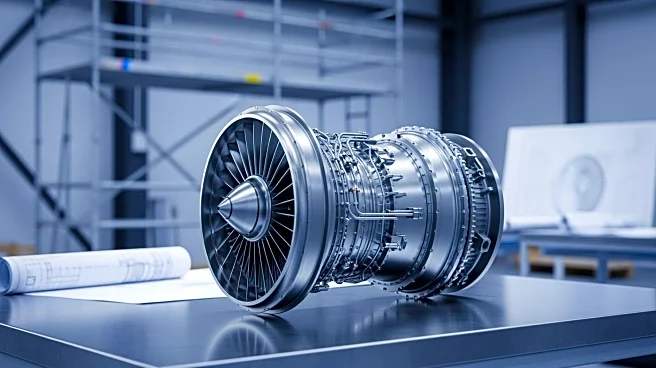
industry. The initiative, led by US Interior Secretary Doug Burgum, focuses on baseload power generation from coal, natural gas, and nuclear sources, explicitly excluding renewable energy. Despite the push, building these types of power plants faces significant hurdles. No new coal plants have been constructed in the US for over a decade, and large-scale nuclear projects have been plagued by budget overruns and delays. Gas plants, while more feasible, are also facing increased lead times and costs. The demand for gas turbines has surged due to the electrification of the economy and increased power consumption from data centers and factories, leading to a competitive rush among tech firms and utilities to secure limited turbine supplies.
Why It's Important?
This development is significant as it highlights the Trump administration's focus on traditional energy sources to meet the growing power demands of the AI sector. The exclusion of renewable energy from this plan could have long-term implications for the US energy landscape, potentially slowing the transition to cleaner energy sources. The challenges in constructing new power plants, particularly coal and nuclear, underscore the complexities of meeting energy needs while balancing environmental and economic considerations. The increased demand for gas turbines reflects the broader trend of electrification and the critical role of energy infrastructure in supporting technological advancements. Stakeholders in the energy and tech industries may face increased competition and costs as they navigate these challenges.
What's Next?
The Trump administration's call for an emergency power auction suggests imminent actions to address the energy supply issues. The involvement of Republican and Democratic governors in urging PJM Interconnection LLC to hold the auction indicates a bipartisan recognition of the urgency. However, the long lead times and high costs associated with building new power plants mean that immediate solutions may be limited. The focus on traditional energy sources may prompt discussions and potential pushback from environmental groups advocating for renewable energy. The outcome of the auction and subsequent developments will be closely watched by industry stakeholders, policymakers, and environmental advocates.