




What's Happening?
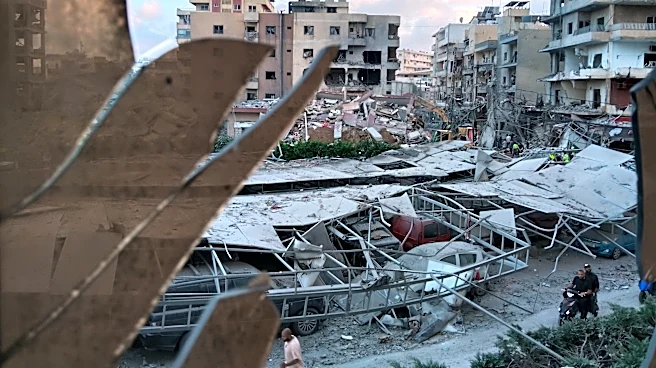
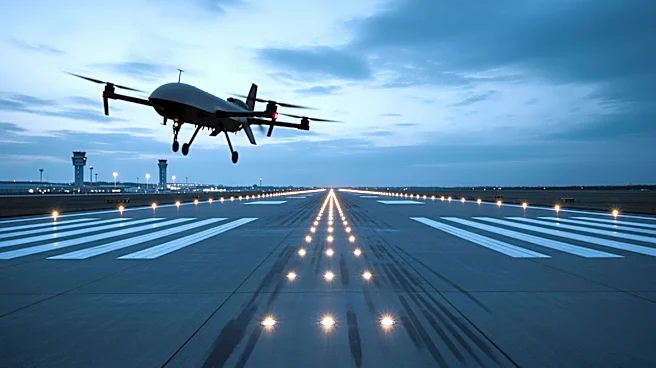
Iranian drones targeted Kuwait International Airport, causing significant damage to a passenger terminal, resulting in one fatality and injuring dozens. This attack is part of ongoing hostilities between Iran and the U.S., which have been exchanging strikes
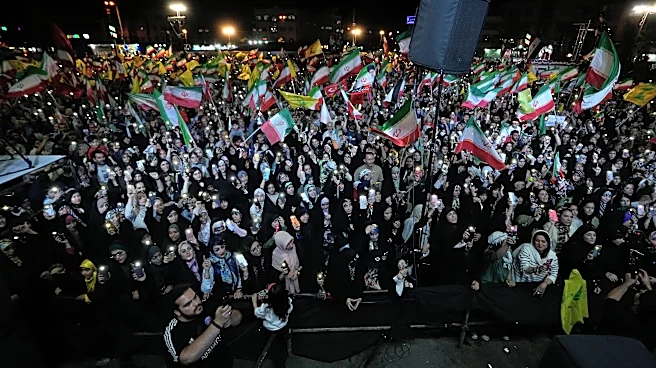
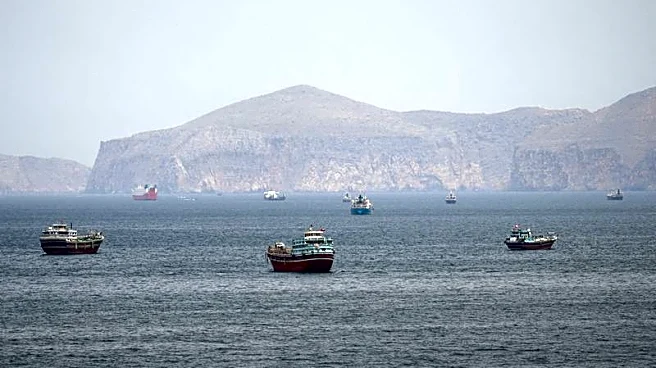
in the Persian Gulf region. The conflict has been exacerbated by Iran's demand for a ceasefire in Lebanon before resuming negotiations with the U.S. and Israel. The U.S. military reported intercepting Iranian missiles and drones aimed at American forces and allies in the region. The situation remains tense as both nations continue to retaliate for previous attacks, with Iran maintaining control over the strategic Strait of Hormuz and the U.S. enforcing a blockade on Iranian ports.
Why It's Important?
The escalation of military actions in the Persian Gulf has significant implications for global security and economic stability. The Strait of Hormuz is a critical passage for the world's oil and natural gas supply, and disruptions here can lead to increased global fuel prices. The conflict also strains U.S. relations with its allies, particularly Israel, as differing strategies on handling Iran and Hezbollah in Lebanon emerge. The ongoing hostilities risk further destabilizing the Middle East, impacting international trade and energy markets. The situation underscores the complexity of achieving a diplomatic resolution, with regional and global powers deeply invested in the outcome.
What's Next?
Negotiations between the U.S. and Iran are expected to continue, albeit under strained conditions. The U.S. administration, led by President Trump, is working to secure a more comprehensive ceasefire that includes Lebanon. However, Iran's insistence on linking the Lebanese ceasefire to broader talks complicates the process. The international community, including mediators, will likely intensify efforts to de-escalate tensions and prevent further military confrontations. The outcome of these negotiations could have lasting impacts on regional alliances and the geopolitical landscape.
Beyond the Headlines
The conflict highlights the broader geopolitical struggle for influence in the Middle East, with Iran asserting its regional power against U.S. interests. The situation also raises ethical questions about the use of military force and the humanitarian impact on civilian populations in affected areas. The ongoing violence could lead to long-term shifts in regional power dynamics, potentially altering alliances and prompting a reevaluation of military strategies by involved nations.