
What's Happening?
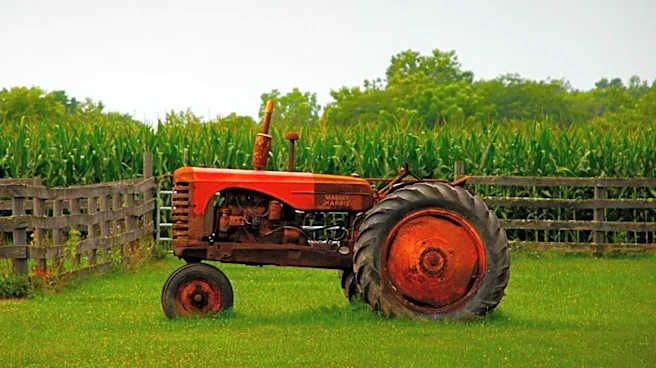
American agriculture has undergone three major revolutions that have significantly increased productivity and efficiency. The first revolution, during the Industrial Revolution, saw the transition from
manual labor to horse-powered machinery, allowing for larger scale farming. The second revolution, around World War I, introduced gasoline-powered engines and hybrid seed corn, further enhancing farming efficiency and crop yields. The third revolution, beginning in the late 1960s, involved advances in genetic science, enabling the development of crops that are more resilient to environmental challenges. These revolutions have collectively laid the foundation for modern farming practices.
Why It's Important?
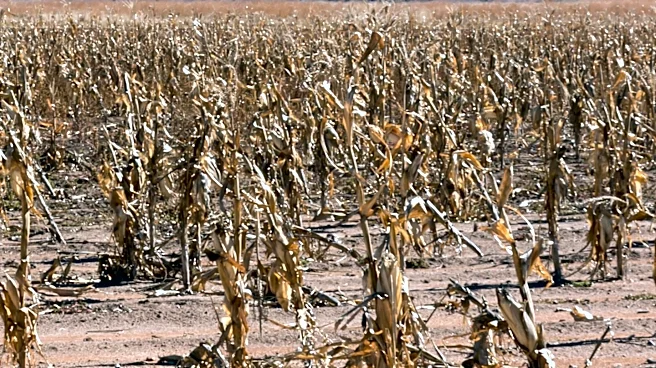
These agricultural revolutions have been pivotal in meeting the growing food demands of an increasing global population. By improving efficiency and crop yields, these innovations have helped stabilize food supplies and reduce the reliance on manual labor. The advancements in genetic science, in particular, have allowed for the development of crops that can withstand adverse conditions, ensuring food security in the face of climate change. The ongoing evolution of agricultural technology continues to promise further enhancements in productivity and sustainability.