
What's Happening?
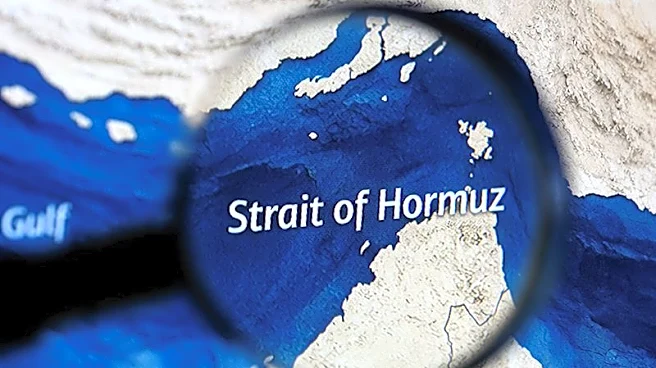
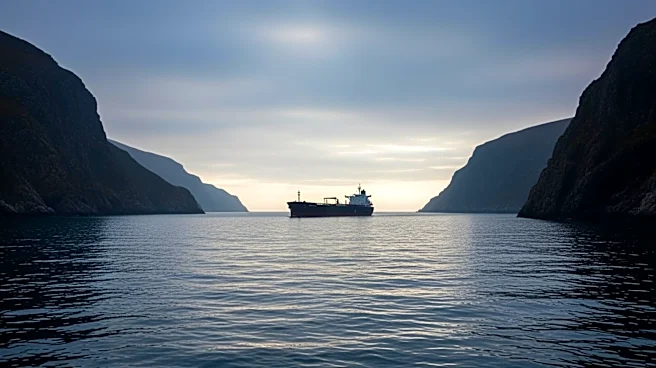
Capt. Haim Shaham, a seasoned maritime professional, has raised alarms over Iran's reported attempts to charge passage fees for vessels navigating the Strait of Hormuz. This strategic waterway, crucial
for global oil transportation, has become a focal point of international tension. Shaham, with extensive experience in the merchant fleet and senior roles at Zim, warns that Iran's actions could set a dangerous precedent, potentially leading other nations to assert control over international straits. He emphasizes that such moves could disrupt global trade, as the Strait of Hormuz is a vital corridor for oil shipments. Shaham argues that the United States should intervene to ensure freedom of navigation, highlighting the psychological and operational challenges faced by civilian crews in the region.
Why It's Important?
The situation in the Strait of Hormuz is critical due to its role as a major conduit for global oil supplies. Iran's attempt to impose passage fees could lead to increased shipping costs and potential disruptions in oil supply chains, affecting global markets. If Iran succeeds, it might encourage other nations or groups, like the Houthis, to control other strategic chokepoints, further complicating international shipping routes. The U.S. has a vested interest in maintaining open sea lanes, as any disruption could have significant economic and geopolitical repercussions. The psychological impact on maritime crews also poses operational risks, potentially affecting the efficiency and safety of shipping operations.
What's Next?
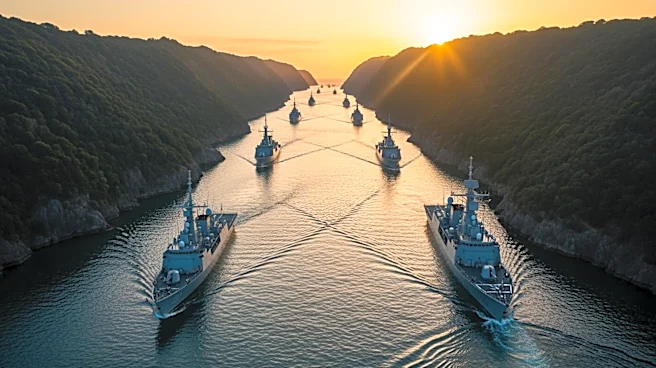
The international community, particularly the United States, may need to take diplomatic or military actions to counter Iran's moves. Ensuring the Strait of Hormuz remains open and free for navigation is likely to be a priority. The U.S. might increase its naval presence in the region to deter any attempts by Iran to enforce passage fees. Additionally, diplomatic efforts could be intensified to address the broader geopolitical tensions in the region, aiming to prevent further escalation and ensure the stability of global trade routes.
Beyond the Headlines
Iran's actions in the Strait of Hormuz could have long-term implications for international maritime law and the concept of freedom of navigation. If Iran's precedent is accepted, it could challenge the established norms governing international waters, leading to a reevaluation of maritime rights and responsibilities. This situation also highlights the broader geopolitical struggle for influence in the Middle East, with potential impacts on regional stability and international relations.