


What's Happening?
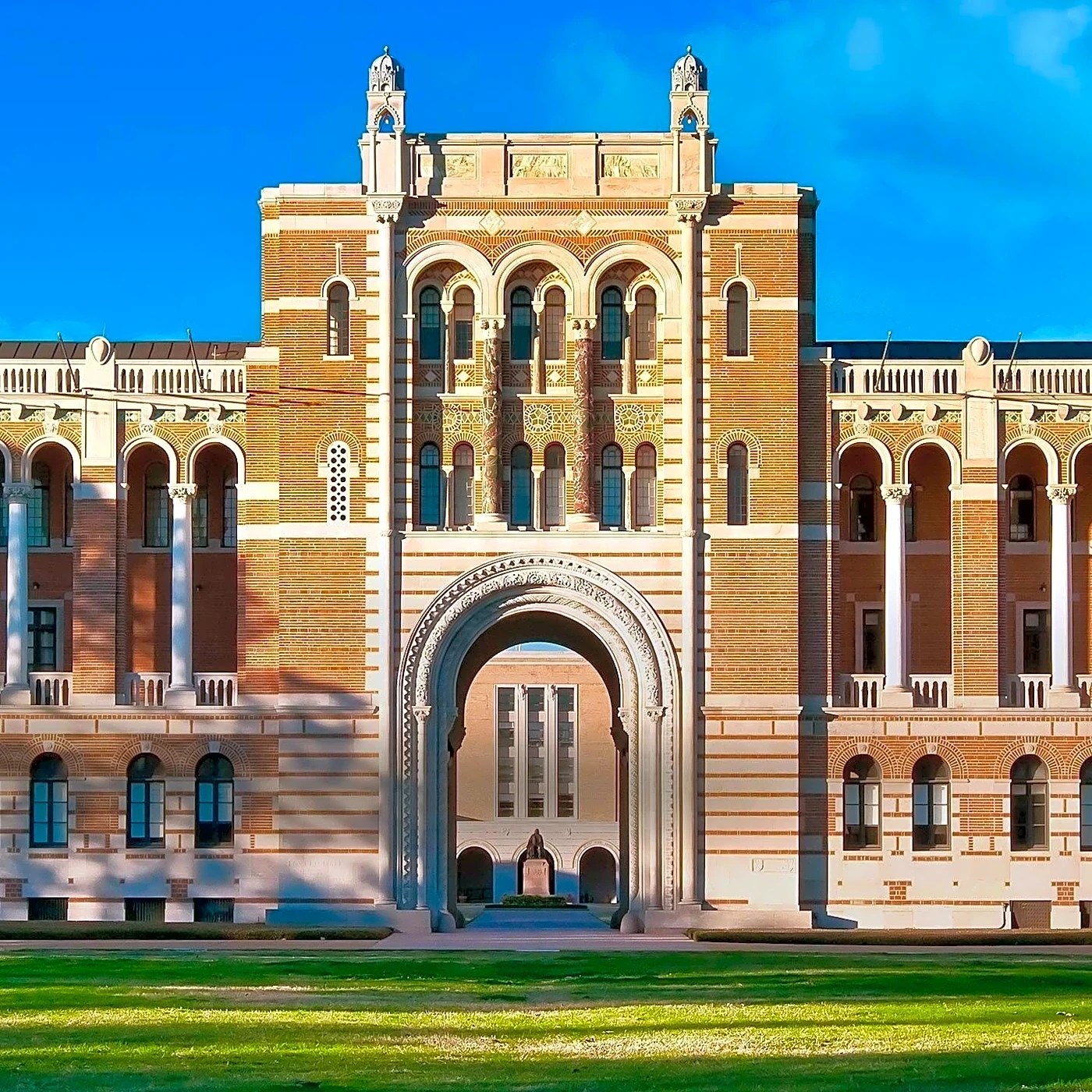
The University of Missouri Research Reactor (MURR) is embarking on the NextGen MURR project, a significant initiative to build a new, state-of-the-art research reactor. This project aims to address America's reliance on overseas reactors for specialized
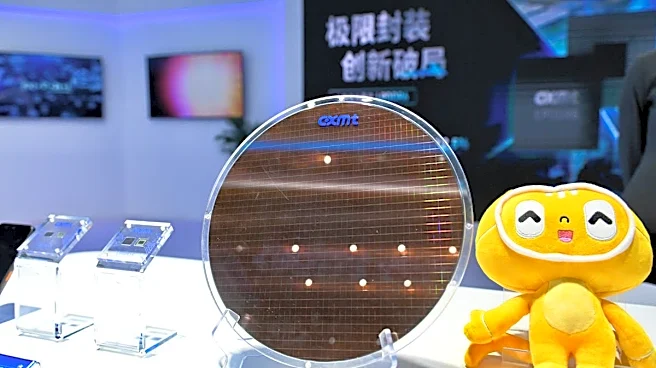
semiconductor materials by producing silicon ingots crucial for the electric grid, transportation, advanced manufacturing, and defense systems. MURR has been involved in modifying silicon for the semiconductor industry since 1975, using neutron transmutation doping to create uniform semiconductor material. The proposed NextGen MURR, designed to operate at more than 20 megawatts, would significantly expand the university's capabilities in production and research. Beyond semiconductors, MURR is a critical domestic source for medical isotopes, being the only U.S. producer of four essential medical radioisotopes, including Lu-177 for cancer treatments. The project is expected to generate an estimated $2.1 billion in economic activity across Missouri and support approximately 13,300 jobs, while also providing hands-on experience for students in nuclear science and engineering.
Why It's Important?
The NextGen MURR project holds significant importance for U.S. national security, economic independence, and public health. By providing a domestic source for specialized semiconductor materials, it reduces the nation's vulnerability to disruptions in global supply chains, which is critical for essential infrastructure like the electric grid and defense systems. This aligns with broader U.S. efforts to reshore manufacturing and strengthen domestic industrial capabilities, particularly in strategic sectors. Furthermore, MURR's role as the sole U.S. producer of several critical medical radioisotopes ensures a reliable supply for cancer treatments and medical imaging equipment. The short half-lives of these isotopes necessitate rapid production and delivery, making a domestic source indispensable for patient care. The project's economic impact, with billions in activity and thousands of jobs, underscores its contribution to regional development and workforce training in nuclear science, a field with growing demand. This initiative represents a long-term investment in scientific research and technological innovation, positioning the U.S. at the forefront of nuclear science applications.
What's Next?
The construction of NextGen MURR will proceed, with the goal of significantly expanding the University of Missouri's capabilities in producing specialized semiconductor materials and medical isotopes. This expansion will aim to reduce U.S. reliance on foreign sources for these critical components. The project is also expected to continue fostering workforce development, with students gaining valuable experience in nuclear science, radiochemistry, engineering, and reactor operations alongside MURR's approximately 450 employees. As the nation's nuclear industry is projected to grow, this training will become increasingly vital. MURR will likely continue its collaborations with entities like the U.S. Department of Energy to ensure the domestic supply of essential isotopes and to fill production gaps. The success of NextGen MURR could serve as a model for future investments in nuclear research and manufacturing infrastructure across the U.S., further strengthening domestic capabilities in critical technological and medical fields.
Beyond the Headlines
The NextGen MURR project represents a strategic investment in the foundational elements of modern technology and healthcare, extending beyond immediate economic and security benefits. The ability to domestically produce specialized silicon ingots for semiconductors touches upon the ethical considerations of technological sovereignty and resilience in an increasingly interconnected world. It underscores the importance of self-sufficiency in critical technologies to prevent geopolitical leverage by other nations. Furthermore, MURR's role in producing medical isotopes highlights the profound impact of scientific research on human well-being, offering life-saving treatments for diseases like cancer. This project also implicitly addresses the long-term challenge of maintaining a skilled workforce in highly specialized scientific and engineering fields. The hands-on training provided to students at MURR is crucial for cultivating the next generation of nuclear scientists and engineers, ensuring the continuity of expertise vital for national security and public health. The initiative reflects a broader societal commitment to investing in fundamental research and infrastructure that yields both tangible and intangible benefits for decades to come.