




What's Happening?
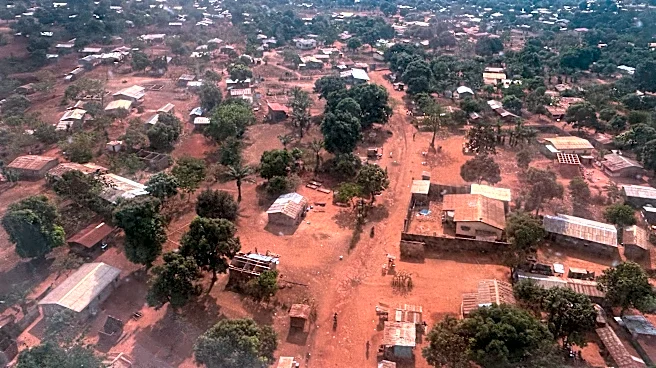
The United Nations High Commissioner for Refugees (UNHCR) is seeking qualified partners for its AMI 010 initiative in Bamingui-Bangoran, Central African Republic. This program, set to run from January 1, 2027, to December 31, 2030, aims to enhance protection
responses and improve access to quality services for refugees, internally displaced persons (IDPs), returnees, stateless people, and affected host communities. Key areas of focus include access to asylum, registration and profiling, birth registration, child protection, family reunification, gender-based violence (GBV) prevention and response, legal assistance, access to justice, and protection in emergencies. The initiative also emphasizes strengthening local and national protection mechanisms, case management, and referral systems. Vulnerable groups such as girls, children with disabilities, and those at risk of dropping out of school will receive particular attention. International organizations are encouraged to apply but must collaborate with local organizations and demonstrate a clear localization and capacity-transfer strategy.
Why It's Important?
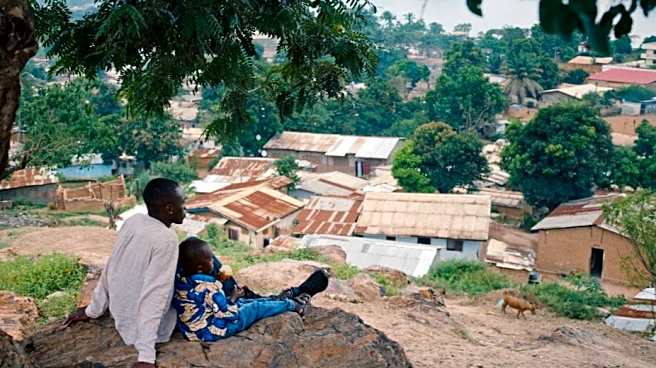
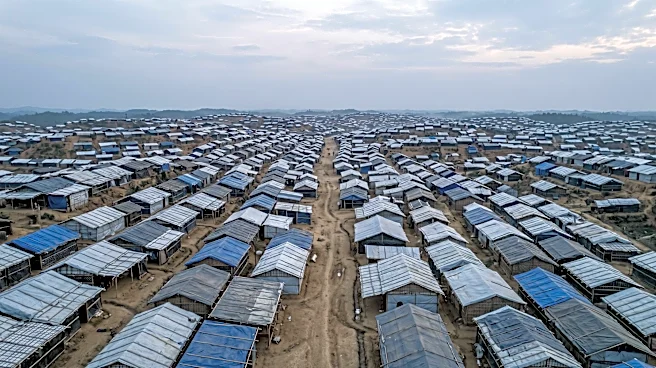
This UNHCR initiative is crucial for addressing the multifaceted challenges faced by displaced populations in the Central African Republic, a region significantly impacted by conflict and instability. By strengthening protection services and local capacities, the program aims to provide immediate relief and foster long-term resilience for vulnerable individuals. The emphasis on community-based protection and the involvement of local organizations is vital for ensuring that interventions are culturally appropriate and sustainable. The focus on child protection, GBV response, and legal assistance directly addresses critical human rights concerns, aiming to safeguard the most vulnerable from exploitation and violence. Furthermore, the requirement for international organizations to partner with local entities promotes localization, ensuring that resources and expertise contribute to building enduring local systems rather than creating dependency. This approach is essential for creating lasting positive change and reducing the need for continuous external intervention in humanitarian crises.
What's Next?
UNHCR will assess applications based on criteria including sector expertise, project management, local experience, cost-effectiveness, community accountability, and security considerations. Successful partners will be responsible for implementing the program activities in Bamingui-Bangoran from January 2027 to December 2030. The initiative will involve continuous efforts to identify protection risks, provide appropriate services, and strengthen referral systems. There will be a strong focus on community participation and feedback mechanisms to ensure accountability to affected populations. International organizations selected will need to demonstrate a two-to-three-year capacity-strengthening and activity-transfer plan to local partners, ensuring a progressive shift towards local ownership. The program's success will be measured by its ability to improve access to protection, enhance the well-being of displaced communities, and build robust local protection systems.
Beyond the Headlines
The UNHCR AMI 010 initiative highlights a broader shift in humanitarian aid towards localization and community-led responses. This approach recognizes that sustainable solutions to displacement crises require empowering local actors and integrating their knowledge and capacities into program design and implementation. The program's comprehensive scope, addressing legal, social, and physical protection needs, underscores the interconnectedness of various vulnerabilities faced by displaced populations. By prioritizing child protection and GBV, the initiative acknowledges the disproportionate impact of displacement on women and children and seeks to address systemic inequalities. The long-term nature of the program (four years) also signals a commitment to sustained engagement, moving beyond short-term emergency responses to foster durable solutions and build resilient communities capable of managing future challenges independently. This model could serve as a blueprint for similar interventions in other conflict-affected regions globally.