
What's Happening?
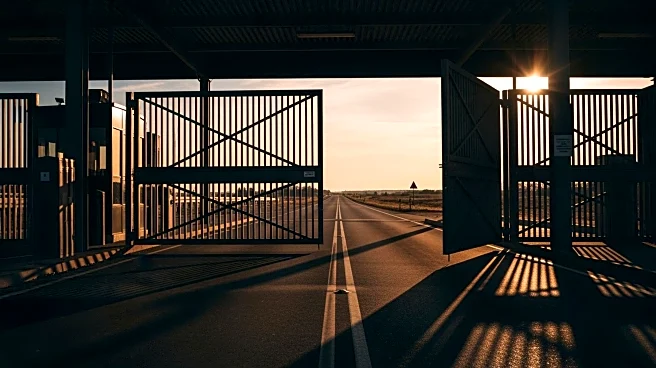
Israeli Prime Minister Netanyahu has announced that Israel will open the Rafah crossing between Gaza and Egypt once the search for the last remaining hostage, Ran Gvili, is concluded. The opening will be limited
to the passage of people and will be under Israeli supervision. This decision follows a security cabinet meeting and is contingent upon Hamas making a full effort to locate Gvili's body, although the actual recovery of the body is not a prerequisite. The crossing has been under Israeli control since 2024 and remains a significant element of the ceasefire brokered by President Trump.
Why It's Important?
The opening of the Rafah crossing is a critical development in the Israel-Gaza relations, potentially easing the humanitarian situation in Gaza by allowing movement of people. It reflects Israel's strategic considerations in managing border security while addressing humanitarian needs. The decision could influence the dynamics of the ceasefire agreement and impact the political landscape in the region. It also highlights the delicate balance Israel must maintain between security concerns and international pressure to facilitate humanitarian access.
What's Next?
The implementation of this decision will require careful coordination between Israel, Egypt, and Palestinian authorities. Monitoring and security measures will be crucial to ensure the crossing operates smoothly and safely. The international community will likely watch closely, as the opening could set a precedent for future negotiations and border management in the region. Potential challenges include ensuring compliance with security protocols and managing the flow of people to prevent any security breaches.