
What's Happening?
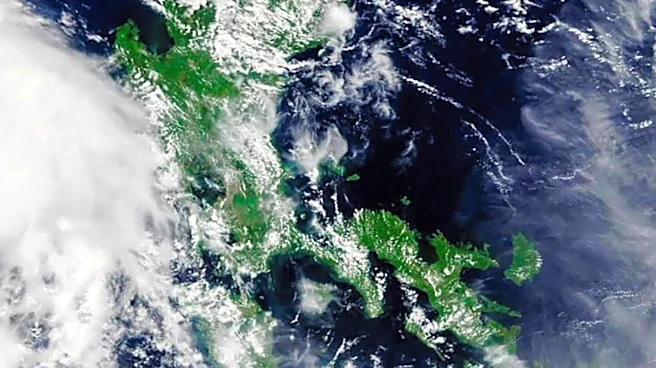
Taiwan is currently experiencing a weeklong storm front characterized by strong winds and heavy rainfall, prompting widespread alerts and evacuations. Weather authorities have issued a nationwide warning
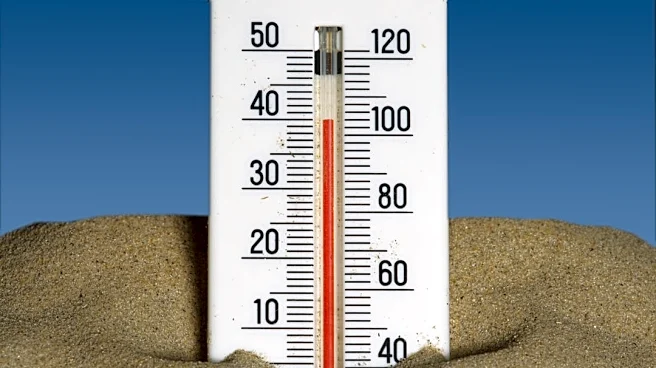
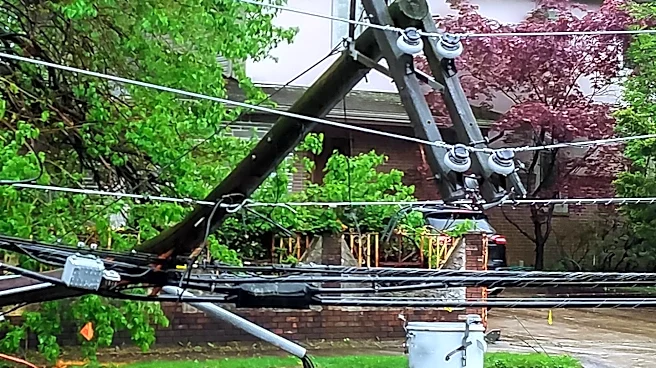
for afternoon downpours expected to last until Wednesday, with predictions of intense rain spells and strong gusts. Six cities and counties across Taiwan have suspended classes and work in certain districts due to the severe weather. The storm has caused significant disruption, including flooding on university campuses, toppled trees blocking traffic, and impacts on transportation. In Hualien, a man was rescued after being swept away in a surging river, highlighting the immediate dangers. Mountain villages are evacuating residents needing medical attention, and in Kaohsiung, flooding is affecting traffic flow. All ocean transportation to outlying islands has been suspended until Wednesday, cutting off daily supplies for residents. This event follows a period of extreme weather in Taiwan, including recent record-breaking heat, indicating a trend of unpredictable weather patterns as typhoon season approaches.
Why It's Important?
This prolonged storm front in Taiwan underscores the increasing vulnerability of the region to extreme weather events, which can have significant societal and economic impacts. The suspension of classes and work, coupled with transportation disruptions, directly affects daily life and local economies. For instance, the cessation of ocean transport to outlying islands creates immediate logistical challenges for supply chains and residents. The need for evacuations, particularly for those requiring medical attention, strains emergency services and healthcare infrastructure. The incident of a worker being swept away in a river highlights the dangers faced by individuals in affected areas. The broader context of recent record-breaking heat followed by severe rain suggests a pattern of climate volatility that could necessitate long-term adaptation strategies for infrastructure, disaster preparedness, and public safety protocols in Taiwan. This situation serves as a critical reminder of the growing challenges posed by climate change and its immediate consequences on communities.
What's Next?
Taiwanese weather authorities anticipate the storm front to continue bringing intense rain and strong gusts until at least Wednesday. Residents across the island are advised to remain vigilant, as level-8 winds are possible. The Central Weather Administration will likely continue to issue updates and warnings as the storm progresses. Emergency services will remain on high alert to manage ongoing flooding, potential landslides, and rescue operations. Local governments in affected cities and counties will need to assess damage to infrastructure, including roads and public facilities, and coordinate recovery efforts. The suspension of ocean transportation will likely be re-evaluated based on weather conditions, with efforts to restore supply lines to outlying islands as soon as it is safe. As typhoon season approaches, this event may prompt further reviews of Taiwan's disaster preparedness and response mechanisms, potentially leading to enhanced early warning systems and evacuation plans.
Beyond the Headlines
The current weeklong storm in Taiwan points to deeper implications regarding climate change and its localized effects. The rapid shift from record-breaking heat to disastrous rainfall within a short period suggests an increased frequency and intensity of extreme weather events, challenging existing climate models and adaptation strategies. This variability can strain public resources, impact agricultural cycles, and potentially lead to long-term economic instability if not adequately addressed. The disruption to daily life, including school and work suspensions, highlights the societal cost of such events, affecting productivity and well-being. Furthermore, the reliance on emergency evacuations and the vulnerability of infrastructure, such as transportation networks, underscore the need for resilient urban planning and climate-adaptive infrastructure development. This situation could also prompt a re-evaluation of national climate policies and international cooperation on climate resilience, as Taiwan, like many island nations, faces direct and immediate consequences of global climate shifts.