
What's Happening?
The Hilda J. Young Conservation Area (YCA), located between St. Louis and Mark Twain National Forest, provides a free-entry natural escape for visitors. This 1,300-acre preserve, managed by the Missouri
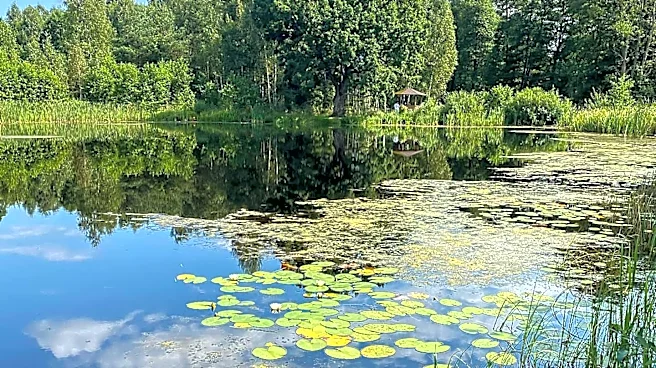
Department of Conservation (MDC), was established in 1986 to safeguard its forests, streams, glades, and fish populations in LaBarque Creek. YCA is one of three public lands within the LaBarque Creek watershed, alongside LaBarque Creek CA and Myron and Sonya Glassberg Family CA. The area is popular among locals for its fishing, hiking, and wildlife viewing opportunities. It features six miles of forested trails where visitors can observe various bird species like warblers, Acadian flycatchers, and white-eyed vireos, as well as deer and turkey. Multiple ponds are available for anglers seeking sunfish and bass. The park is situated near Eureka, a short drive from St. Louis, making it an accessible option for those seeking outdoor recreation.
Why It's Important?
The availability of free-entry natural spaces like the Hilda J. Young Conservation Area is crucial for public health and well-being, especially for urban populations. It offers an accessible venue for physical activity through hiking and fishing, contributing to healthier lifestyles. Furthermore, the preserve plays a vital role in environmental conservation by protecting local ecosystems, including forests, streams, and diverse wildlife. This conservation effort helps maintain biodiversity and natural habitats within the region. For residents of St. Louis and surrounding areas, YCA provides an affordable and convenient option for recreation and connecting with nature, which can reduce stress and improve mental health. The area also supports local tourism by attracting visitors interested in outdoor activities, potentially benefiting nearby communities economically through incidental spending.
What's Next?
The Hilda J. Young Conservation Area is expected to continue serving as a key recreational and conservation site for Missouri residents and visitors. Ongoing management by the Missouri Department of Conservation will likely focus on maintaining the trails, preserving the natural habitats, and ensuring the sustainability of its fish and wildlife populations. Visitors can anticipate continued access to hiking, fishing, and wildlife viewing opportunities. There may be future initiatives to enhance visitor experience, such as trail improvements or educational programs, depending on funding and community needs. The area's proximity to St. Louis suggests it will remain a popular destination for day trips and weekend outings, potentially leading to increased visitor numbers, which could prompt further discussions on resource management and visitor impact mitigation.
Beyond the Headlines
The existence and popularity of places like the Hilda J. Young Conservation Area highlight a broader societal trend towards valuing accessible natural spaces, particularly in an increasingly urbanized world. These preserves serve as critical green infrastructure, offering ecological benefits such as water purification and air quality improvement, which are often overlooked. Ethically, providing free access to such areas promotes environmental equity, ensuring that individuals from all socioeconomic backgrounds can experience and benefit from nature. Culturally, these spaces foster an appreciation for local ecosystems and wildlife, potentially inspiring future generations to engage in conservation efforts. The long-term implications include a greater public understanding of ecological interconnectedness and the importance of preserving natural landscapes for both human well-being and environmental health.