




What's Happening?
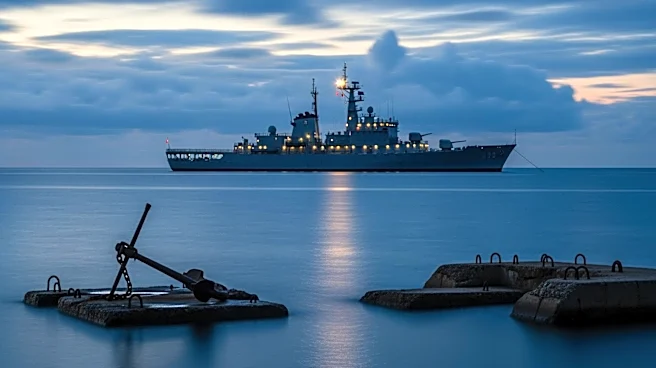
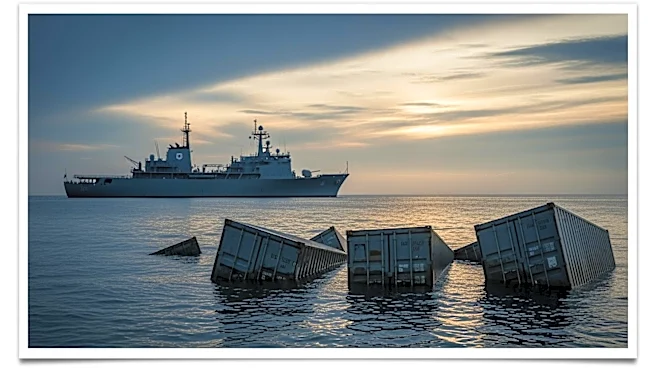
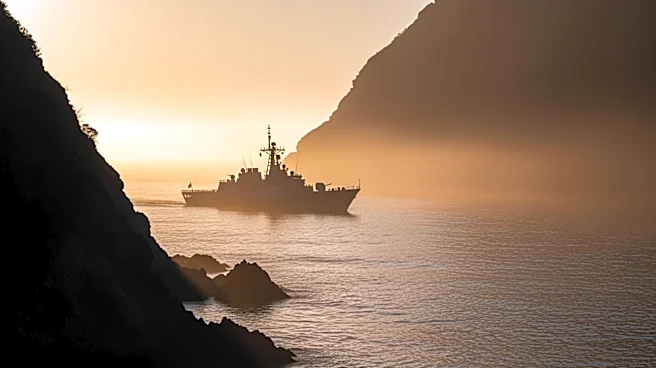
U.S. Central Command (CENTCOM) has reported that no Iran-linked shipping traffic successfully breached its blockade during the first 24 hours of enforcement. The blockade, which targets vessels heading to or from Iranian ports, is being enforced by more
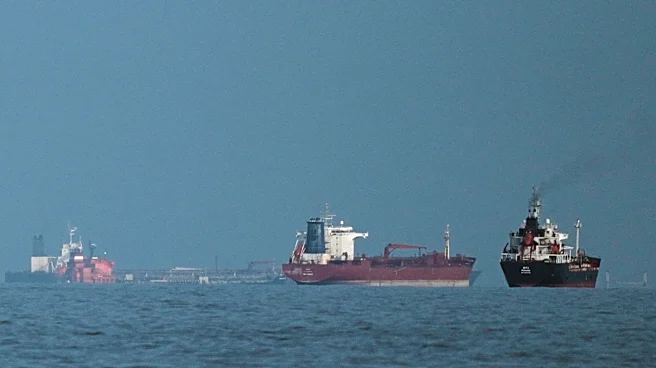
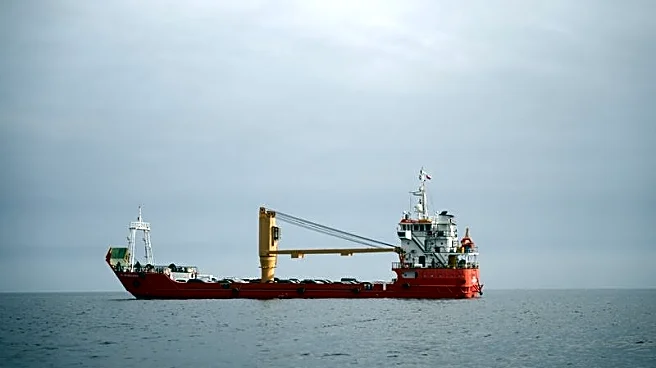
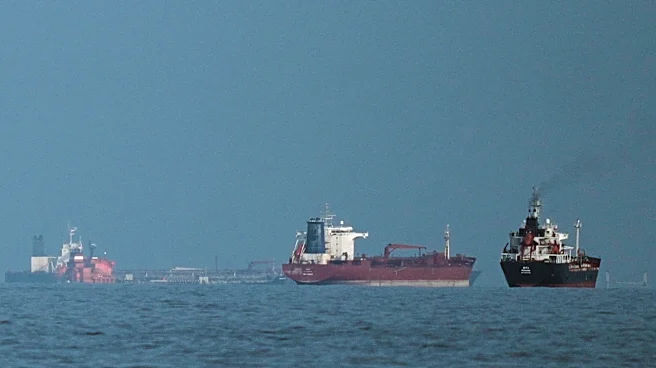
than a dozen warships, aircraft, and over 10,000 Marines and sailors. Despite attempts by at least three Iran-linked tankers to transit the Strait of Hormuz, none made it past the northern end of the Gulf of Oman. The China-linked tanker Rich Starry turned around before reaching the enforcement zone, while two others anchored near Jask. Additionally, six Iran-linked vessels complied with U.S. directions to return to Iranian ports. The blockade aims to maintain freedom of navigation for non-Iranian vessels, which continue to transit the strait in limited numbers.
Why It's Important?
The blockade's success in its initial phase underscores the U.S.'s strategic military capabilities in the region and its commitment to enforcing international sanctions against Iran. This action could significantly impact global oil markets, as the Strait of Hormuz is a critical chokepoint for oil transportation. The blockade may also influence diplomatic relations, as Iran's leadership is reportedly considering pausing its shipping activities to avoid disrupting upcoming peace talks with Washington. The U.S. blockade could lead to increased tensions in the region, affecting international shipping routes and potentially escalating military confrontations.
What's Next?
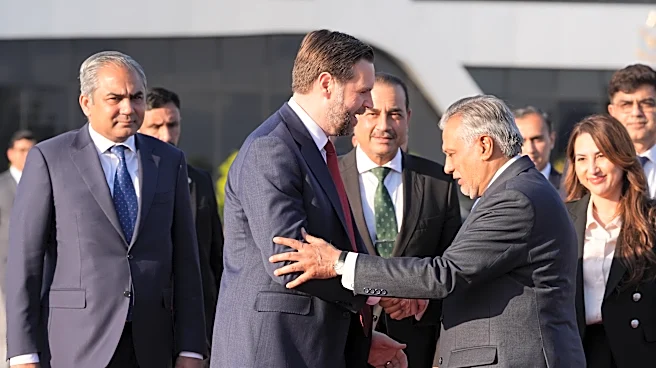
The continuation of the blockade may prompt further diplomatic negotiations between the U.S. and Iran, especially if Iran decides to halt its shipping activities temporarily. The situation could also lead to increased military presence and readiness in the region, as both nations navigate the geopolitical implications. Stakeholders, including global oil markets and international shipping companies, will closely monitor the developments, as any escalation could disrupt global supply chains and impact oil prices. The U.S. may also face international scrutiny regarding its enforcement actions and their compliance with international maritime laws.