





What's Happening?
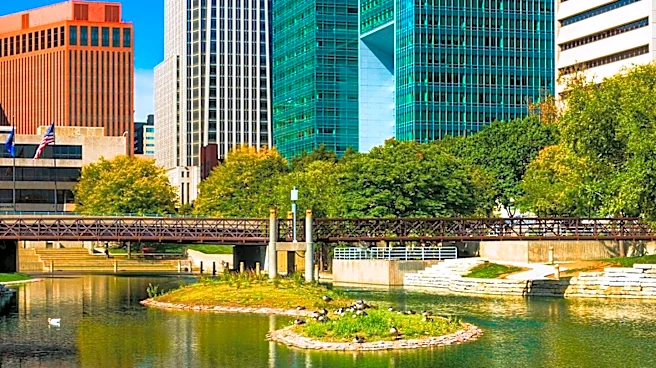
Omaha Mayor John Ewing Jr. has signed into law a minimum wage ordinance that sets a $15-per-hour minimum wage for all workers in the city. This decision follows a 4-3 vote by the Omaha City Council in favor of the ordinance, which aims to restore minimum wage increases
approved by Nebraska voters in 2022. These increases were previously altered by the state legislature. Mayor Ewing acknowledged potential legal challenges but expressed confidence in the city's ability to defend the ordinance. The move comes amid a broader debate in Nebraska, where a district judge recently halted a similar ordinance in Lincoln.
Why It's Important?
The ordinance represents a significant step in local governance, as it challenges state-level decisions on wage policies. By setting its own minimum wage, Omaha is asserting its autonomy in addressing economic disparities and supporting low-income workers. This could lead to improved living standards for many residents, potentially reducing poverty and stimulating local economic activity. However, the legal challenges anticipated from the state could set a precedent for other cities considering similar measures, impacting future legislative actions across Nebraska.
What's Next?
The ordinance's implementation may face legal hurdles, as Nebraska Attorney General Mike Hilgers has previously challenged similar measures. The outcome of any legal proceedings could influence the ordinance's future and affect other cities' decisions to pursue independent wage policies. Public and political reactions will likely shape the discourse around local versus state control over economic policies.