




What's Happening?
U.S. Department of Energy (DOE) Office of Electricity Assistant Secretary Katie Jereza visited Georgia to tour two significant electric infrastructure projects. The projects, managed by Georgia Transmission and Oglethorpe Power, include the East Central
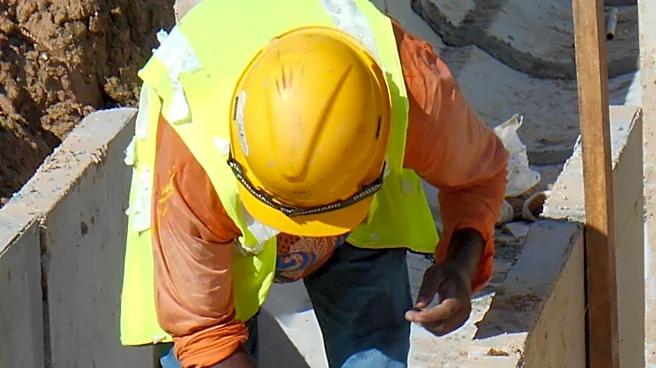
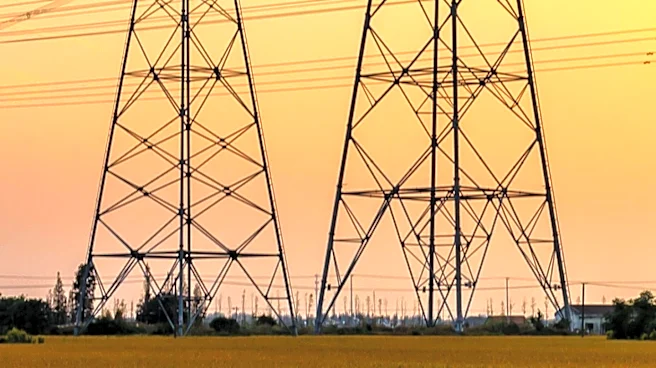
Georgia Reliability Projects and Oglethorpe Power’s Smarr Combined-Cycle Energy Facility. The East Central Georgia Reliability Projects involve the construction of four new high-voltage transmission lines, two new substation facilities, and upgrades to existing infrastructure across Walton, Morgan, Oconee, and Putnam counties. These initiatives aim to enhance grid reliability and operational flexibility. The Smarr Combined-Cycle Energy Facility, located in Monroe County, is a two-unit, 1,425-megawatt facility designed to generate electricity for approximately 800,000 homes using advanced U.S.-manufactured technology. Assistant Secretary Jereza emphasized the importance of these investments in securing America's energy future and meeting rising electricity demand.
Why It's Important?
These infrastructure projects are crucial for strengthening the U.S. energy grid, particularly in Georgia, which is experiencing growing electricity demand. The East Central Georgia Reliability Projects will mitigate the risk of overloaded lines and service disruptions, ensuring a more stable power supply for communities and businesses. The Smarr Combined-Cycle Energy Facility represents a substantial investment in efficient, low-emission natural gas generation, contributing to reliable, around-the-clock electricity. This development supports long-term economic growth in the region by providing essential power for homes and industries. The DOE's engagement highlights a national commitment to modernizing energy infrastructure, which is vital for economic competitiveness and public welfare across the United States.
What's Next?
The East Central Georgia Reliability Projects are currently under construction, with ongoing efforts to complete the transmission lines, substations, and infrastructure upgrades. The Smarr Combined-Cycle Energy Facility is expected to become operational in 2029. Once completed, these projects will significantly enhance the reliability and capacity of Georgia's electric grid. The DOE's continued oversight and support suggest a sustained focus on such critical infrastructure developments nationwide. Future steps will likely involve monitoring the operational efficiency of these new facilities and assessing their impact on regional energy security and economic development. The success of these projects could also serve as a model for similar energy infrastructure investments in other states facing increasing electricity demands.
Beyond the Headlines
The visit by Assistant Secretary Jereza underscores a broader national strategy to invest in resilient and efficient energy infrastructure. Beyond immediate reliability benefits, these projects contribute to the long-term energy independence and security of the U.S. The emphasis on advanced U.S.-manufactured technology in facilities like the Smarr Combined-Cycle Energy Facility also supports domestic manufacturing and job creation. This strategic investment in energy infrastructure is critical for accommodating future growth, including the increasing demand from data centers and electric vehicle charging, which are placing new pressures on existing grids. The collaboration between federal agencies and local power cooperatives exemplifies a comprehensive approach to addressing complex energy challenges and ensuring a sustainable energy future.