






What's Happening?
Wade and Teresa King, owners of King Ranch in Grant and Douglas counties, are challenging a $267,540 fine from the Washington State Department of Ecology. The department alleges the Kings damaged protected wetlands by digging ponds for their livestock,
ordering them to restore the areas. The Kings contend these are long-standing stockwater ponds, not regulated wetlands, and that the department's orders are unachievable and financially ruinous. They have been seeking a jury trial, arguing that the administrative process through the Pollution Control Hearings Board (PCHB) is biased against property owners. Washington Governor Bob Ferguson, who was the state's attorney general when the dispute began, has appointment authority over the PCHB. A Washington Court of Appeals commissioner has paused PCHB proceedings while the court considers the Kings' right to a jury trial.
Why It's Important?
This case has significant implications for property rights and environmental regulation across the U.S., particularly for ranchers and landowners. The Kings' argument that they are being denied a fair trial by an administrative board, which they claim consistently sides with state agencies, raises fundamental questions about due process and the Seventh Amendment right to a jury trial. If the Kings prevail, it could set a precedent limiting the power of state agencies to impose fines and restoration orders without judicial oversight, potentially shifting the burden of proof and increasing legal avenues for property owners. Conversely, if the state's position is upheld, it could reinforce the authority of environmental agencies and make it more challenging for landowners to contest regulatory decisions, impacting agricultural practices and land use management nationwide.
What's Next?
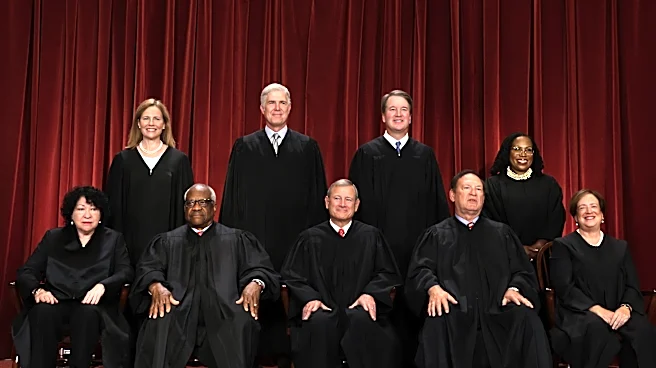
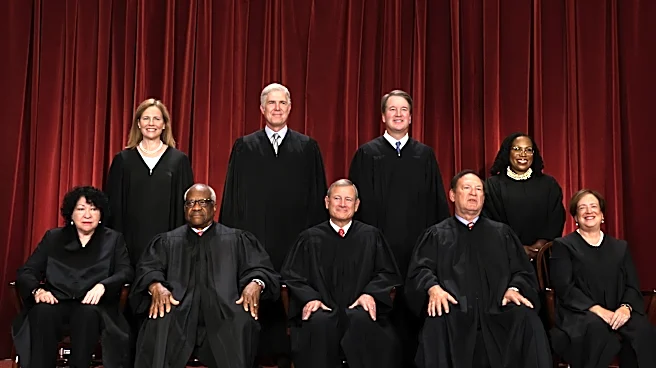
The immediate next step is the Washington Court of Appeals' decision on whether the Kings are entitled to a jury trial, which will determine if the case proceeds through the PCHB or a court. If the Kings are unsuccessful in Washington, their legal team, Pacific Legal Foundation, is prepared to petition the U.S. Supreme Court to rule on the applicability of the Seventh Amendment against states. A Supreme Court decision could have far-reaching consequences, potentially impacting how environmental regulations are enforced and challenged across all states. The outcome will be closely watched by ranchers, environmental groups, and legal scholars, as it could redefine the balance of power between state regulatory bodies and individual property owners.
Beyond the Headlines
Beyond the immediate legal battle, this case highlights a broader tension between environmental conservation efforts and the economic realities of agricultural operations. The Kings' assertion that the alleged wetlands were historically stockwater ponds points to differing interpretations of land use and ecological classifications, which can have profound financial and operational impacts on family-owned businesses. The dispute also touches upon the perceived overreach of government agencies and the challenges citizens face in navigating complex regulatory frameworks. The potential for a U.S. Supreme Court review elevates this local dispute to a national debate on constitutional rights, federalism, and the future of land stewardship in the face of evolving environmental policies.