




What's Happening?
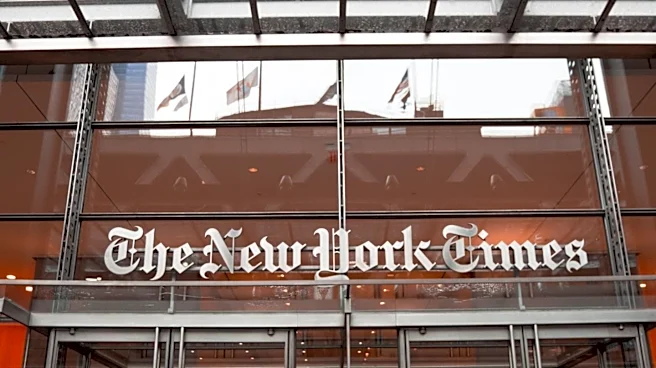
An Alabama jury has awarded former Alabama men’s basketball player Kai Spears $9.25 million in damages after finding The New York Times defamed him. The lawsuit stemmed from a March 2023 article by the newspaper that inaccurately linked Spears to the scene
of a fatal shooting. The article reported that Spears, then a walk-on for the Crimson Tide, was in the passenger seat of former Alabama star Brandon Miller's car during the deadly shooting of Jamea Harris in Tuscaloosa. It was later revealed that the passenger was a team manager, not Spears. Spears filed a lawsuit for defamation and 'false light' invasion of privacy, claiming emotional distress due to the erroneous association with a high-profile murder. The New York Times subsequently issued a correction and an editor’s note following the lawsuit. This ruling marks the first defamation lawsuit the newspaper has lost in the United States over one of its articles in more than 50 years.
Why It's Important?
This verdict carries significant implications for journalistic practices, particularly concerning accuracy, sourcing, and accountability in reporting. The substantial damages awarded underscore the severe impact that inaccurate reporting can have on an individual's reputation and well-being, especially when linked to serious criminal allegations. The case highlights the critical importance of verifying information, even from anonymous sources, and the potential legal repercussions for major news organizations that fail to do so. For The New York Times, this loss could prompt a reevaluation of its editorial processes and reliance on certain types of sourcing. For individuals, it reinforces the legal avenues available to seek redress for reputational harm caused by false publications. The outcome also serves as a reminder to the public about the need for critical consumption of news and the potential for even established media outlets to make errors.
What's Next?
Following the jury's decision, The New York Times may consider an appeal, given the significant financial judgment and the precedent it sets. The case centered on the Times’ use of anonymous sourcing and its verification process, with the newspaper's attorney describing the incorrect reporting as an 'honest mistake.' Spears' father, Christian Spears, stated that their initial goal was a simple retraction, but the Times' defense of its article led to the lawsuit. This verdict could lead to increased scrutiny of journalistic standards across the industry, particularly regarding the verification of sensitive information and the use of anonymous sources. It may also encourage other individuals who believe they have been defamed by media outlets to pursue legal action, potentially leading to more such cases in the future. Kai Spears, who transferred from Alabama and is now a senior at West Liberty University, will continue his academic and athletic career, now with the legal vindication of his name.
Beyond the Headlines
The case delves into the ethical responsibilities of journalism and the power dynamics between major media institutions and individuals. The jury's decision sends a clear message that even powerful news organizations are not immune to accountability for factual inaccuracies, especially when those inaccuracies cause significant personal harm. It raises questions about the balance between rapid news dissemination and meticulous fact-checking, particularly in high-stakes situations. The 'honest mistake' defense, while acknowledged, was ultimately insufficient to mitigate the perceived harm. This outcome could foster a more cautious approach to reporting unverified details, potentially leading to a greater emphasis on transparent sourcing and rigorous editorial review. Furthermore, it highlights the emotional and psychological toll that public misrepresentation can inflict, reinforcing the need for media outlets to prioritize accuracy and fairness above all else.