

What's Happening?
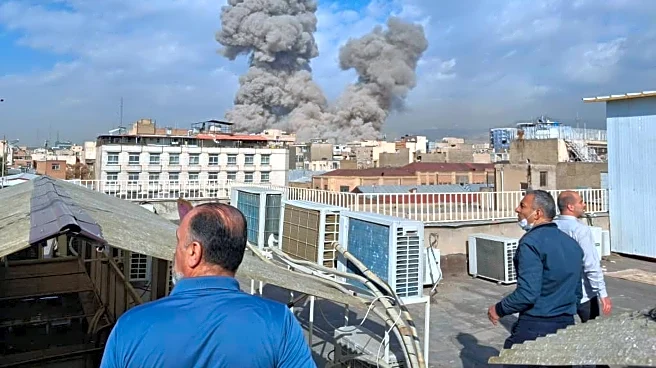
Three U.S. troops were killed and five others seriously wounded in a recent Iranian counterattack, marking the first American casualties in the ongoing conflict. The incident has heightened concerns about the Pentagon's ability to protect its personnel
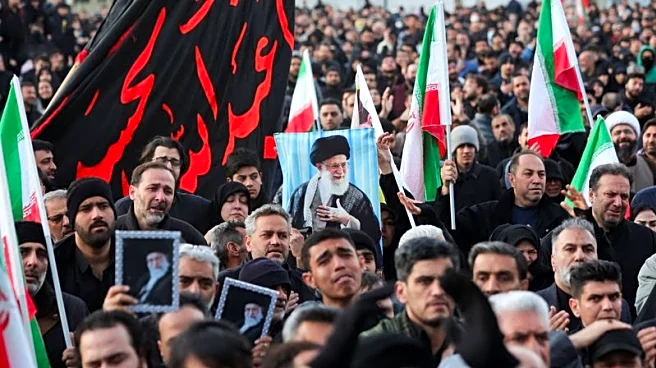
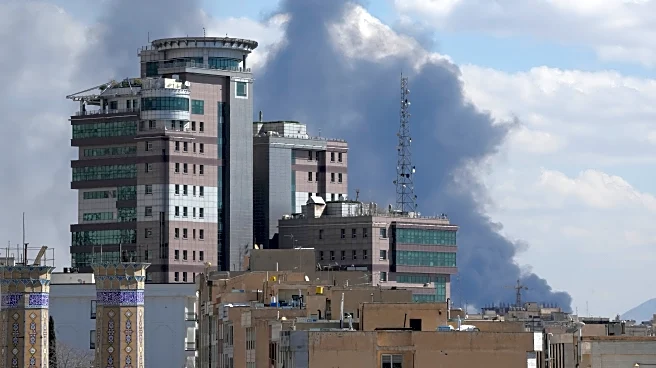
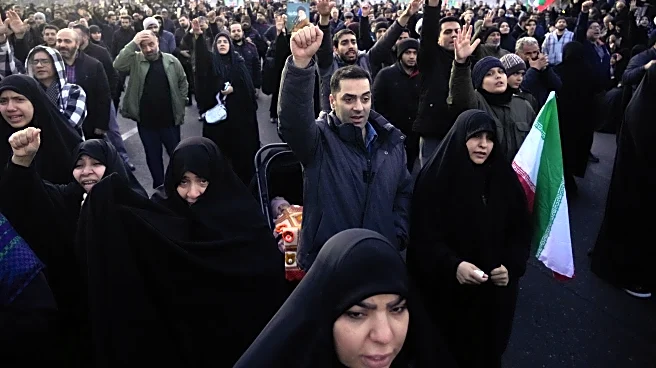
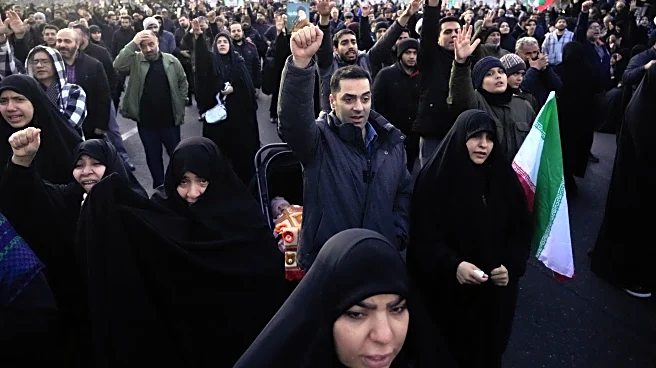
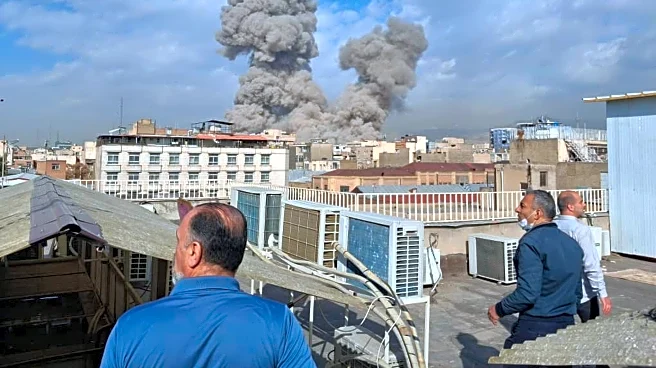
in the region. The troops were part of a sustainment unit in Kuwait, and the attack followed the death of Iran's supreme leader, Ayatollah Ali Khamenei. The U.S. Central Command reported that numerous U.S. facilities have been targeted since the U.S. and Israeli forces began their operations against Iran. President Trump acknowledged the potential for American casualties, stating that such losses are a possibility in war.
Why It's Important?
The deaths of U.S. service members underscore the escalating tensions and the potential for a broader conflict in the Middle East. The situation raises significant concerns about the safety of U.S. personnel and the effectiveness of air defense systems in the region. The conflict could strain U.S. military resources, particularly air defense stockpiles, and lead to prolonged military engagement. The operation aims to dismantle Iran's military capabilities, but the retaliatory attacks from Iran highlight the challenges and risks involved. The situation also poses a diplomatic challenge, as it could affect U.S. relations with allies and adversaries in the region.
What's Next?
The U.S. military is likely to continue its operations against Iran, with President Trump indicating a commitment to a long-term campaign. The conflict may lead to further military engagements and potential casualties. The U.S. will need to address the concerns about air defense capabilities and resource allocation. Additionally, the situation may prompt discussions among U.S. political leaders and international allies about the future of U.S. involvement in the Middle East and the potential for diplomatic resolutions.