





What's Happening?
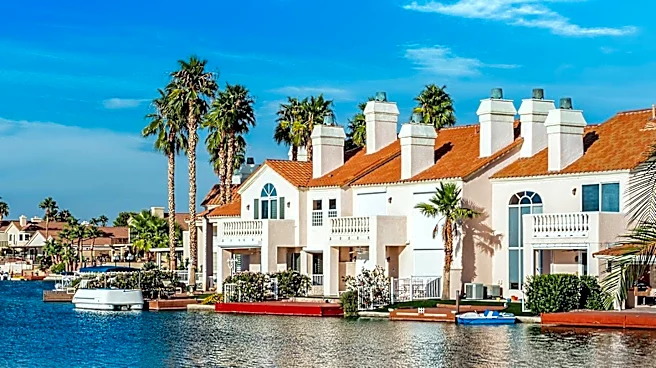
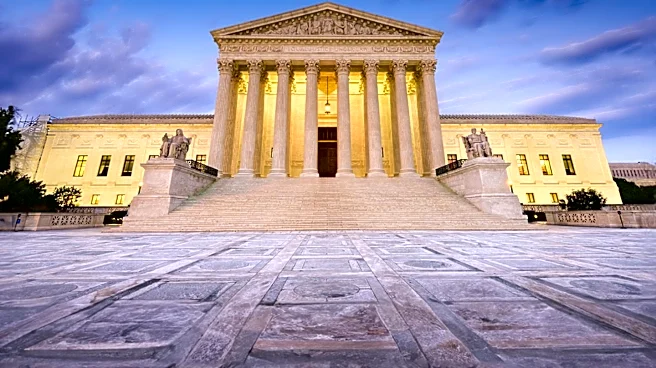
Waterfront property in the U.S. is subject to complex legal frameworks that balance private ownership with public interests, as established by several landmark U.S. Supreme Court cases. These cases define the rights and obligations associated with land adjoining
bodies of water such as oceans, rivers, and lakes. Key principles include riparian rights for riverfront properties and littoral rights for lake or oceanfront properties, which grant owners certain access and usage rights. However, these rights are not absolute and are often limited by the Public Trust Doctrine. This doctrine, reinforced by cases like *Illinois Central Railroad Co. v Illinois* (1892), asserts that certain natural resources, particularly navigable waters and submerged lands, are held by the government for public purposes like navigation, fishing, and recreation. Other significant rulings, such as *Shively v Bowlby* (1894) and *Phillips Petroleum Co. v Mississippi* (1988), further clarify state authority over tidal lands and the distinction between private deeds and public ownership of submerged or affected lands. These legal precedents highlight that owning waterfront land does not automatically confer unrestricted ownership over the adjacent water or shoreline, emphasizing the ongoing tension between private property rights and broader public access and environmental protection.
Why It's Important?
The legal precedents set by the U.S. Supreme Court regarding waterfront property rights are crucial for various stakeholders across the nation. For property owners, understanding these rights and limitations is vital for development, usage, and potential litigation, as their ownership may be subject to public access, environmental regulations, and navigation rights. Industries such as real estate, tourism, and marine construction are directly impacted by these laws, which dictate permissible activities and development along coastlines and waterways. The Public Trust Doctrine, in particular, ensures that essential natural resources remain accessible for public benefit, influencing policy decisions related to environmental conservation, recreational activities, and economic development in coastal and riparian zones. This balance between private and public interests shapes land use planning, infrastructure projects, and the overall economic value of waterfront properties, affecting local economies and the livelihoods of communities dependent on these resources. The ongoing interpretation and application of these laws are critical for managing the nation's valuable waterfront assets sustainably and equitably.
What's Next?
Future developments in waterfront property law will likely continue to involve balancing private ownership with public and environmental interests. As climate change impacts, such as rising sea levels and increased erosion, become more pronounced, legal disputes concerning property boundaries, land loss, and environmental protection are expected to intensify. This could lead to new legislative efforts at state and federal levels to adapt existing laws or introduce new regulations to address these challenges. Stakeholders, including property owners, environmental groups, and government agencies, will likely engage in ongoing litigation and policy debates over issues such as coastal resilience, wetland preservation, and public access to shorelines. The courts may be called upon to further clarify the application of the Public Trust Doctrine in the context of evolving environmental conditions and increasing development pressures. Additionally, advancements in mapping and surveying technologies could play a role in resolving boundary disputes and informing regulatory decisions, potentially leading to more precise definitions of property lines and public easements along waterfronts.
Beyond the Headlines
Beyond the immediate legal and economic implications, the ongoing evolution of waterfront property rights touches upon deeper ethical and cultural dimensions. The concept of public trust in natural resources reflects a societal value that certain elements of the environment, particularly water bodies, should be preserved and accessible for the common good, transcending individual property ownership. This principle often creates tension with the traditional American emphasis on private property rights and individual autonomy. The legal battles over waterfront access and development are not merely about land ownership; they are also about defining the relationship between individuals, communities, and the natural environment. These cases highlight the long-term shift towards greater environmental consciousness and the recognition of ecological systems as vital public assets. The outcomes of these disputes can influence cultural norms regarding environmental stewardship, public recreation, and the aesthetic value of natural landscapes, shaping how future generations interact with and perceive the nation's precious waterfronts. The legal framework serves as a critical mechanism for mediating these competing values and ensuring a sustainable future for these unique and valuable areas.