




What's Happening?
A Suffolk Superior Court judge has ruled that the Massachusetts State Police must publicly disclose the locations of their automatic license plate readers (ALPRs) and provide details on when, why, and how often they access the collected data. This decision
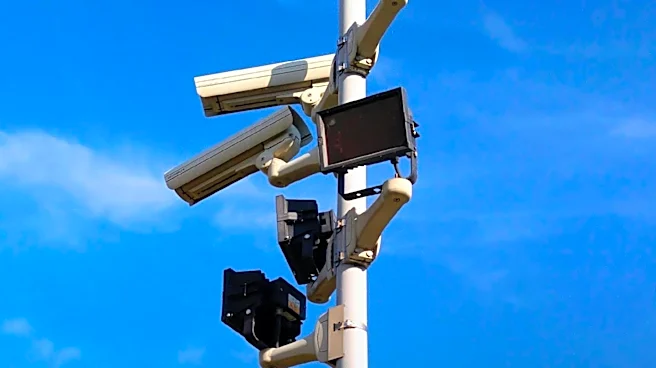
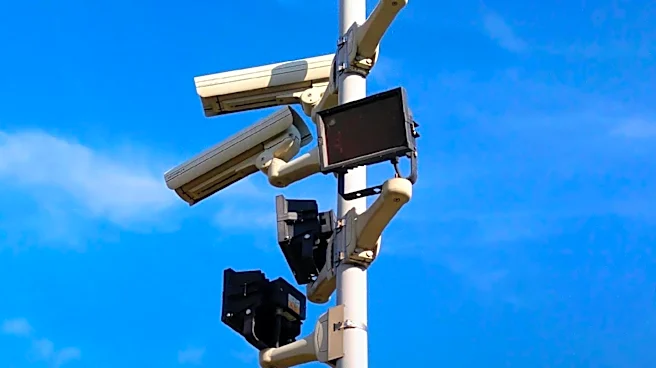
follows a 2023 lawsuit filed by the ACLU of Massachusetts, which sought greater transparency regarding the state police's surveillance operations. The ruling mandates that information collected from ALPRs and similar technology be made available to the public. The ACLU of Massachusetts has been working for five years to gain insight into these State Police surveillance activities, citing growing public concern over secretive police surveillance across the state and nation. The controversy surrounding ALPRs, particularly Flock cameras, has led to several towns and cities in Massachusetts ending contracts or ceasing their use due to alleged misuse by officers. Multiple Massachusetts police officers are currently under investigation for misusing this technology.
Why It's Important?
This ruling marks a significant step towards increased transparency and accountability in police surveillance practices within Massachusetts. The public disclosure of ALPR locations and usage data will allow for greater oversight of how law enforcement utilizes these powerful surveillance tools. This is particularly important given the documented instances of alleged misuse of Flock cameras by local police departments, which have prompted some communities to discontinue their use. The decision could set a precedent for other states grappling with similar issues of privacy versus public safety in the context of advanced surveillance technology. For civil liberties advocates, it represents a victory in the fight for democratic control over police surveillance, enabling citizens to understand the extent and nature of monitoring in their communities. Conversely, law enforcement agencies, who often argue that ALPRs are crucial for solving crimes, may face new challenges in balancing operational effectiveness with public demands for privacy and transparency.
What's Next?
The Massachusetts State Police are currently reviewing the court's decision to understand its implications for their operations. Further comment from the department is expected. The ruling will likely lead to the public release of specific data regarding ALPR deployment and access, which could fuel further public debate and potentially influence policy decisions at both state and local levels regarding surveillance technology. Civil liberties organizations will likely monitor the implementation of this ruling closely to ensure compliance and may use the newly available data to advocate for additional reforms or regulations. The increased transparency could also lead to more informed discussions about the balance between security measures and individual privacy rights, potentially impacting future legislative efforts concerning surveillance technologies in Massachusetts and beyond.
Beyond the Headlines
The court's decision extends beyond mere disclosure; it touches upon fundamental questions of privacy in an increasingly surveilled society. The widespread deployment of ALPRs creates a vast database of citizens' movements, raising concerns about potential for abuse, data security, and the chilling effect on civil liberties. This ruling highlights the ongoing tension between technological advancements in law enforcement and the constitutional rights of individuals. It underscores the critical role of judicial oversight in ensuring that new technologies are implemented responsibly and transparently. The outcome in Massachusetts could influence legal challenges and legislative efforts in other states, contributing to a broader national conversation about the appropriate limits of government surveillance and the mechanisms needed to safeguard privacy in the digital age. The ethical implications of constant tracking, even for law-abiding citizens, are brought to the forefront, prompting a reevaluation of what constitutes reasonable expectation of privacy in public spaces.