





What's Happening?
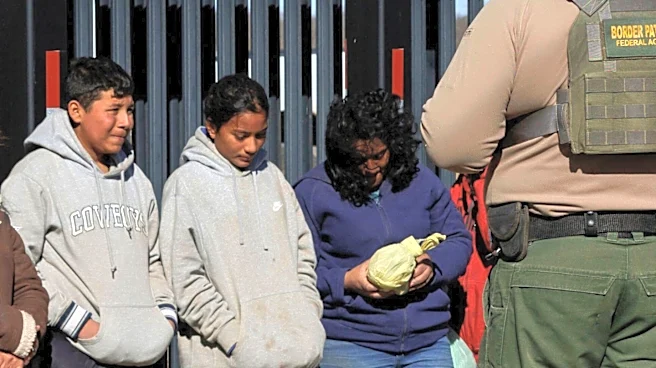
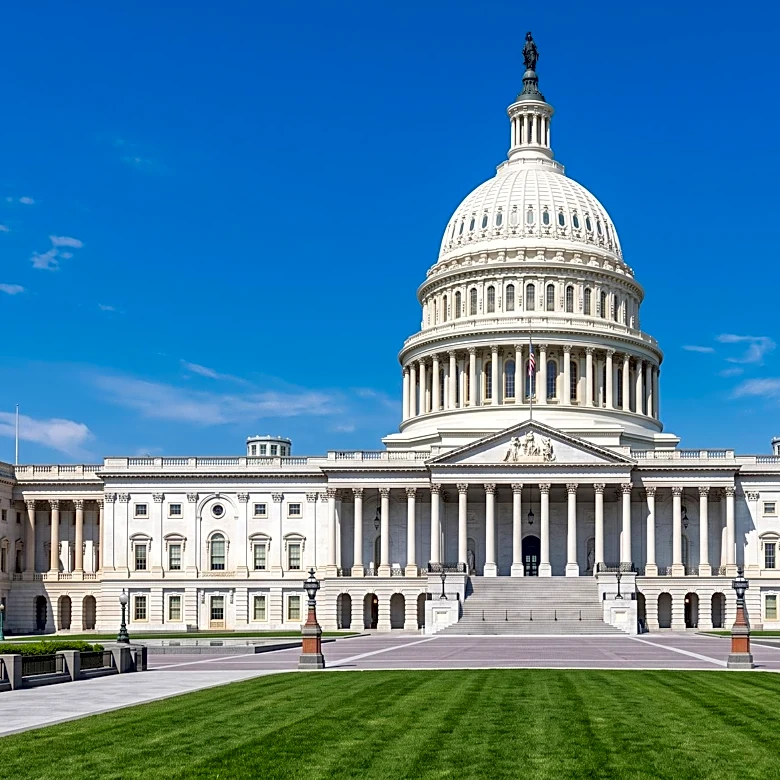
The United States has implemented an executive order on January 20, 2025, aimed at strengthening screening and vetting procedures for immigration. This action is part of a broader U.S. approach to immigration, which focuses on national security, border
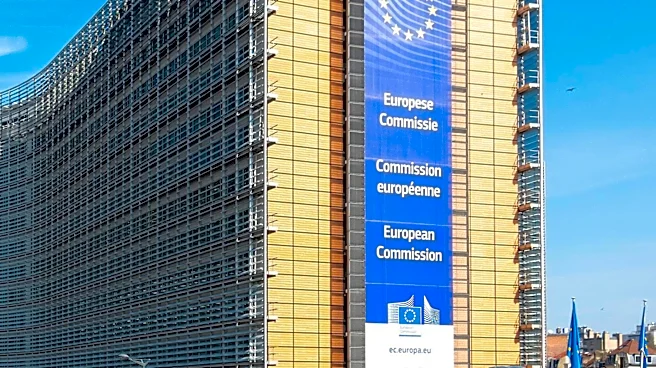
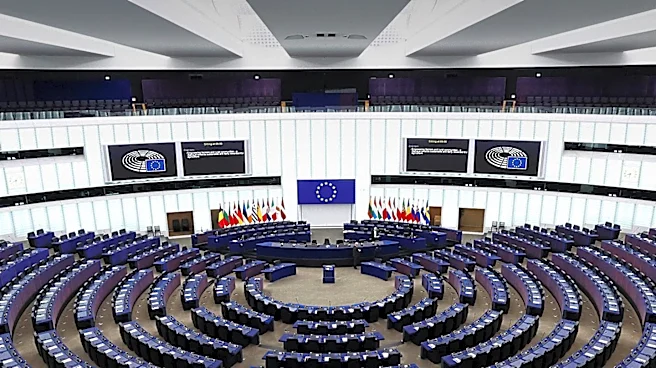
control, and the enforcement of immigration law, while also upholding constitutional principles. This development occurs in a global context where international migration policies are evolving, as evidenced by the European Union's adoption of its Pact on Migration and Asylum in 2024, which became effective on June 12, 2026. The EU's pact establishes common rules for screening, asylum procedures, border management, and responsibility-sharing among member states. Separately, the Global Compact for Migration, which provides various actions for states to consider in their migration policies, including safe pathways, was discussed in a workshop attended by the Suriname government. This compact aligns with target 10.7 of the 2030 Agenda for Sustainable Development. The terminology used to classify migrants, particularly the concept of the 'economic migrant,' has also been challenged by Paola Pace of the International Organization for Migration.
Why It's Important?
The executive order issued by the U.S. government signifies a continued emphasis on national security and border integrity within its immigration framework. This move could have significant implications for individuals seeking to enter the U.S., potentially leading to more stringent application processes and longer waiting times. For U.S. industries, particularly those reliant on immigrant labor, these strengthened procedures might affect labor supply and operational costs. The focus on enforcement and constitutional principles underscores a balancing act between security concerns and human rights considerations. Globally, the U.S. approach contrasts with, yet also contributes to, the ongoing international dialogue on migration, as seen with the EU's new pact and the Global Compact for Migration. The debate over terms like 'economic migrant' highlights the complex and often contentious nature of migration policy, where definitions can influence public perception and policy outcomes. This U.S. action reinforces a trend towards more controlled and regulated immigration systems in developed nations.
What's Next?
Following the implementation of the executive order, the U.S. Department of Homeland Security and other relevant agencies will likely focus on developing and refining the specific protocols and guidelines for the strengthened screening and vetting procedures. This could involve updating technology, increasing personnel, and establishing new inter-agency collaborations to ensure effective enforcement. Advocacy groups and civil society organizations are expected to closely monitor the impact of these new procedures on immigrants and asylum seekers, potentially challenging aspects that they deem overly restrictive or in violation of constitutional rights. Businesses and economic stakeholders will be observing how these changes affect labor markets and supply chains, possibly advocating for adjustments or exceptions to mitigate adverse economic impacts. The U.S. actions will also continue to be part of the broader international conversation on migration, influencing and being influenced by policies adopted by other nations and international bodies.
Beyond the Headlines
The U.S. executive order on immigration screening reflects a deeper societal and political tension surrounding national identity, security, and economic needs. The emphasis on 'strengthening' procedures often implies a response to perceived threats or vulnerabilities, which can inadvertently fuel anti-immigrant sentiment or create barriers for legitimate asylum seekers. The challenge to the term 'economic migrant' by the International Organization for Migration points to the ethical and humanitarian dimensions of migration, suggesting that economic motivations are often intertwined with other factors like safety and opportunity, making simple classifications problematic. This ongoing re-evaluation of terminology and policy highlights a global struggle to reconcile national sovereignty with universal human rights and the realities of global mobility. The long-term implications could include a shift in global migration patterns, increased pressure on countries with more open policies, and a continued redefinition of what constitutes 'safe' and 'orderly' migration in an increasingly interconnected world.