







What's Happening?
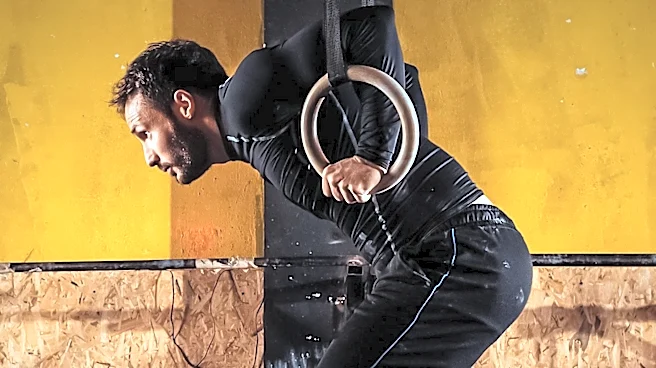
CrossFit is actively integrating its methodology, including ruck workouts, into medical education programs across the U.S. This initiative aims to equip future clinicians with practical knowledge of lifestyle interventions beyond traditional 'eat right
and exercise' advice. Medical students, nurse practitioner students, and even business school students are participating in these programs. For instance, fourth-year students from the Medical College of Georgia complete an internal medicine rotation at a clinic where they learn to discuss fitness and nutrition habits with patients and observe group medical visits that introduce the CrossFit methodology. These sessions often include ruck or Tabata workouts, presentations on CrossFit's nutrition science, and practical guidelines for lifestyle changes. The goal is to help clinicians understand appropriate effort, recognize patient needs, and make clear recommendations, ultimately leading to better conversations in the exam room and improved patient outcomes.
Why It's Important?
The integration of CrossFit and ruck workouts into medical education signifies a crucial shift towards a more holistic approach to patient care in the U.S. Historically, medical training has often overlooked comprehensive nutrition and exercise guidance, leaving physicians ill-equipped to help patients implement lifestyle changes. This initiative addresses that gap by providing future healthcare professionals with firsthand experience and practical tools to promote healthy living. By understanding the CrossFit methodology, clinicians can better guide patients in choosing appropriate starting points for exercise, scaling activities to their abilities, and providing ongoing support. This can lead to more effective prevention and management of chronic diseases, reducing the burden on the healthcare system and improving public health outcomes. The emphasis on 'rucking' also introduces a functional fitness component that can be accessible and beneficial for a wide range of patients, promoting practical strength and endurance.
What's Next?
The ongoing success of these programs suggests a potential for wider adoption of CrossFit methodology and ruck workouts in medical education across the U.S. The Medical College of Georgia and Emory University are already participating, and other medical schools, including Harvard and Georgetown, have hosted educational seminars. For this model to become standard, practical lifestyle education needs a defined place in medical training, with dedicated time for supervised patient conversations and collaboration with qualified coaches and nutrition professionals. Schools will need to assess learners' ability to help patients build realistic plans and evaluate plans developed by coaches. Clinics will require referral relationships, follow-up time, and affordable support mechanisms. Measuring changes in counseling skills, patient participation, and health outcomes will be crucial to build evidence for the value of this approach and encourage its broader implementation in clinical practice.
Beyond the Headlines
This development highlights a deeper cultural shift within the medical community, moving beyond a purely pharmaceutical or surgical approach to health. By embracing functional fitness and lifestyle interventions like CrossFit and rucking, medical education is acknowledging the profound impact of daily habits on long-term health. This can empower patients to take a more active role in their well-being and foster a more collaborative relationship between patients and healthcare providers. The inclusion of ruck workouts, often associated with military training, also subtly introduces concepts of resilience, mental fortitude, and practical strength into a medical context. This could lead to a more robust understanding of physical and mental health interconnections. Furthermore, the initiative challenges the traditional boundaries between fitness professionals and medical practitioners, suggesting a future where interdisciplinary collaboration is key to addressing complex health challenges and promoting a truly preventative healthcare model.