






What's Happening?
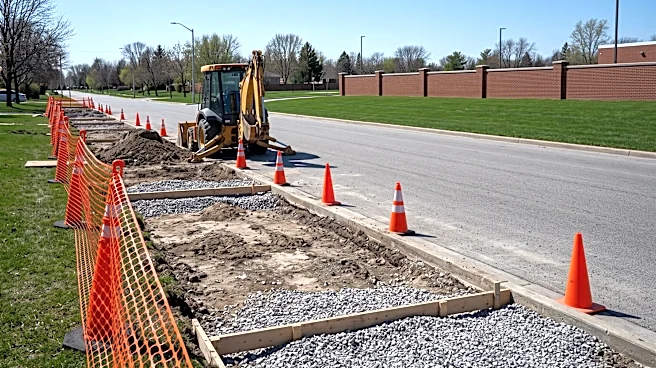
Sidewalk construction outside West Tatnuck Elementary School in Worcester, Massachusetts, has been delayed, forcing students to walk in the street. Despite city plans to complete the sidewalk before the school year began on August 31, construction did
not start until August 24 and was still ongoing by the first day of school. This has created safety concerns, particularly during drop-off and pickup times when Mower Street is already crowded. Neighborhood resident and parent Rocco DeMalia described the situation as 'complete chaos,' noting that construction equipment further obstructs the road. The delay is compounded by utility work from Eversource on several surrounding streets. DeMalia had previously filed a petition to get the sidewalk paved due to safety risks, especially during winter when snow forced students into the street. The project was approved this summer, with the Department of Public Works aiming for completion before school started, but this objective was not met.
Why It's Important?
This situation in Worcester highlights critical issues in urban planning, public safety, and municipal project management. The delay in sidewalk construction directly jeopardizes the safety of elementary school children, forcing them into traffic on a busy street. This not only creates immediate hazards but also raises questions about the city's commitment to pedestrian infrastructure, especially for vulnerable populations like students. The frustration expressed by parents like Rocco DeMalia underscores a broader concern about the responsiveness of local government to community needs and the effectiveness of public works departments in adhering to schedules. The fact that the school calendar is set years in advance makes the delay particularly problematic, suggesting a lack of coordination or foresight in project scheduling. This incident could lead to increased public scrutiny of city planning processes and potentially influence future municipal elections if residents feel their safety concerns are not adequately addressed.
What's Next?
The city of Worcester will likely face continued pressure from parents and residents to expedite the completion of the sidewalk construction. Given the ongoing safety concerns, there may be calls for immediate interim measures to ensure student safety, such as increased traffic control or temporary pedestrian pathways. The Department of Public Works may need to provide a revised timeline for completion and explain the reasons for the delays. This incident could also prompt a review of how public works projects are scheduled and managed, particularly those impacting schools and residential areas. Community activists like Rocco DeMalia may continue to advocate for accountability and transparency from city officials. The situation could also lead to broader discussions about pedestrian safety infrastructure across Worcester, especially in areas surrounding schools.
Beyond the Headlines
The delayed sidewalk construction in Worcester reveals a deeper systemic issue concerning the prioritization of public safety infrastructure and the bureaucratic hurdles that can impede essential projects. DeMalia's experience with the petition process—initially denied, then approved after refiling—illustrates the persistence often required from citizens to instigate change, even for seemingly straightforward safety improvements. This highlights a potential disconnect between community needs and municipal responsiveness. The comment, 'What they have done is remove the little bit of safety that was on the street and replace with construction so we have kids and parents walking by open trenches and in the street,' points to the unintended consequences of poorly managed construction, where the attempt to improve conditions temporarily worsens them. This scenario underscores the ethical responsibility of city planners to not only initiate projects but also to execute them with minimal disruption and maximum safety, especially when children are involved. It also raises questions about the allocation of resources and the efficiency of public spending.