



What's Happening?
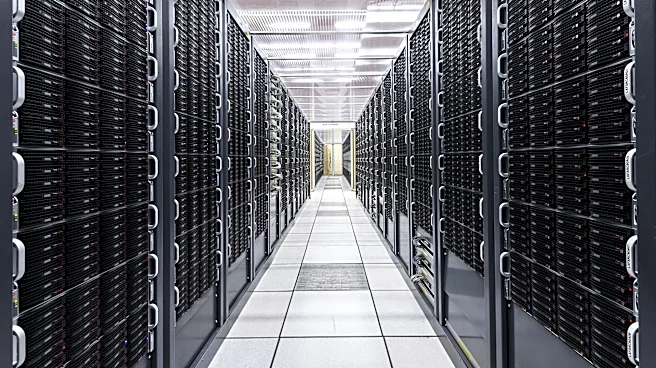
The city of Vernon, California, a municipality known for its industry-friendly policies, is re-evaluating its approach to data center development. Historically, most development in Vernon, including data centers, has been permitted 'by right,' bypassing
formal environmental reviews. However, community concerns regarding the environmental impact of these facilities, particularly from backup diesel generators, have prompted the City Council to consider zoning changes. These changes would mandate public environmental reviews and development agreements for future data centers. The Los Angeles Unified School District has specifically opposed a 217,800-square-foot Digital Realty project near Vernon City Elementary School, citing potential noise, pollution, and construction dust. Digital Realty, a Texas-based company, and the city maintain that the project is currently permitted under existing zoning without requiring a formal environmental review. The city's public utility also ceased processing new data center grid connection requests in December, signaling a shift in policy.
Why It's Important?
This development in Vernon is significant as it reflects a growing national trend of communities pushing back against the unchecked expansion of data centers. Vernon's shift is particularly notable given its historical stance as a pro-industry city. The concerns raised, such as the demand on electric and water supplies, emissions from backup generators, and the limited number of permanent jobs created by data centers, are issues being debated across the U.S. The potential for stricter environmental regulations could increase development costs and timelines for data center operators like Digital Realty, impacting their expansion strategies in urban areas. For residents, especially those near facilities like Vernon City Elementary School, these changes could lead to improved air quality and reduced noise pollution. The outcome in Vernon could set a precedent for other industrial cities grappling with the environmental and social costs of rapid data center growth.
What's Next?
The Vernon City Council is scheduled to hold a public hearing on November 17 to discuss subjecting future data centers to public environmental review and development agreements. A vote on these proposed changes is anticipated for December 15. If approved, these measures would override the recommendation of the city's own Business and Industry Commission, which was split on the issue. Some commission members advocated for new taxes on data centers rather than stricter permitting. The decision will determine whether Vernon continues its 'by right' development policy for data centers or adopts a more regulated approach. This could influence how other cities in California and beyond manage the environmental impact of data center construction and operation.
Beyond the Headlines
The debate in Vernon highlights a broader tension between economic development and environmental justice. While data centers bring investment and technological infrastructure, their environmental footprint, particularly concerning energy consumption and emissions from backup generators, disproportionately affects nearby communities, often those with lower-income and minority populations. The UC Riverside report estimating a $33 million health cost from data center backup generators in California in 2023 underscores the tangible impact of these facilities. This situation also reveals the evolving role of local governance in regulating industries that are critical to the digital economy but also pose environmental challenges. The push for environmental reviews signifies a move towards greater transparency and accountability in industrial development, potentially leading to more sustainable practices in the data center industry.