




What's Happening?
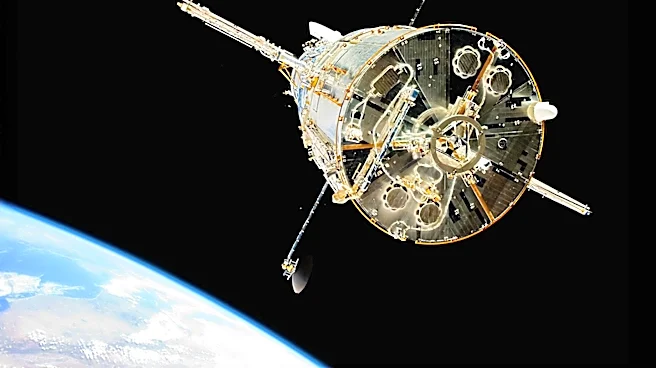
NASA's Goddard Space Flight Center has issued a Request for Information (RFI) to the aerospace industry, seeking innovative ideas for the future of the Hubble Space Telescope (HST). After 36 years of operation, Hubble's orbit is decaying at approximately
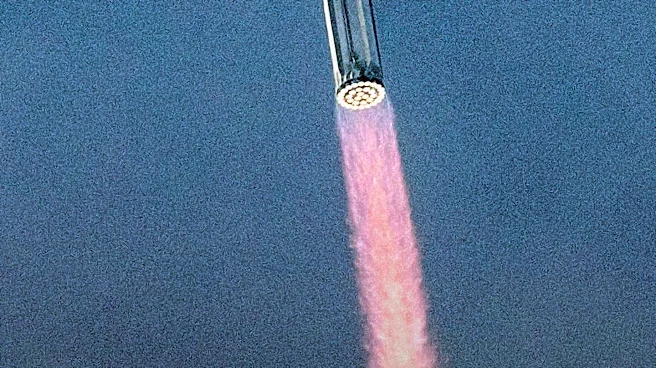
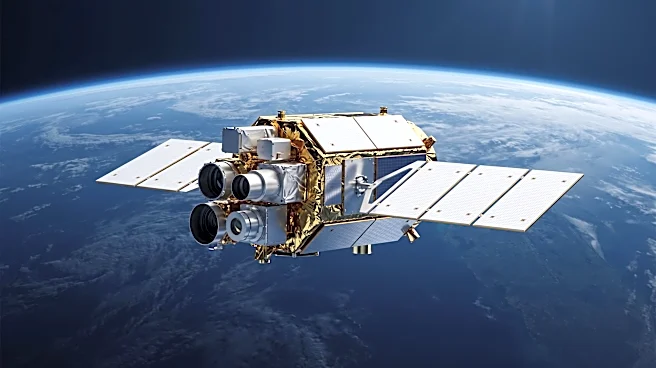
9 miles (14.6 km) per year from its current altitude of about 300 miles (483 km). The RFI outlines three primary mission options for industry consideration: capturing Hubble and boosting its orbit to at least 372 miles (600 km), launching a servicing mission to enhance its capabilities and extend its operational life, or executing a controlled reentry mission for safe disposal. NASA will provide technical information and coordinate operations, while contractors are expected to supply launch vehicles, spacecraft, and potentially crew, ensuring the mission does not harm the telescope and launches by 2032. This initiative follows a previous proposal by Jared Isaacman for a private mission with SpaceX, which NASA declined due to high risks.
Why It's Important?
The Hubble Space Telescope remains a critical asset for scientific research, with its unique ultraviolet and optical capabilities making it highly sought after by astronomers. It continues to generate over 1,000 research papers annually, with observing requests far exceeding its capacity. Extending Hubble's operational life is crucial because a potential replacement, such as the Habitable Worlds Observatory (HWO), is not expected to be operational until much later, possibly around 2040. A lifetime analysis in July 2026 indicated a 10% chance of Hubble reentering Earth by September 2032, increasing to 50% by December 2033. Therefore, securing a plan for its future—either through life extension or safe disposal—is vital to prevent an uncontrolled reentry and to bridge the gap in observational capabilities until next-generation telescopes are deployed. This effort underscores NASA's commitment to maximizing the return on investment from its space assets and ensuring continuity in space-based astronomical research.
What's Next?
Following the RFI, NASA plans to issue a Request for Proposals (RFP) based on the information and innovative concepts received from the industry. Contractors are expected to detail their proposed launch methods, rendezvous and capture techniques, technology readiness levels, risk assessments, mitigation strategies, and potential launch timelines. Key technical details requested include the altitude boost achievable and the minimum altitude required for servicing to reach the target orbit of at least 372 miles. The agency's decision on the path forward will depend on the feasibility, safety, and cost-effectiveness of the proposals. This process will determine whether Hubble receives a life-extending service mission, a boost to a higher orbit, or a controlled deorbit, all aimed at ensuring its legacy continues or concludes safely. The outcome will shape the future of one of humanity's most iconic scientific instruments.
Beyond the Headlines
The consideration of private industry involvement in servicing or disposing of the Hubble Space Telescope highlights a growing trend in space exploration: increased collaboration between government agencies and commercial entities. This approach could set a precedent for future space asset management, potentially leading to more cost-effective and innovative solutions for maintaining or retiring aging spacecraft. The technical challenges involved in such a mission—rendezvous, capture, and either repair or deorbiting of a large, complex observatory—are significant and could drive advancements in robotic servicing and in-space operations. Furthermore, the decision to extend Hubble's life or ensure its safe disposal carries ethical implications regarding space debris mitigation and the responsible management of orbital assets, influencing future policies on end-of-life procedures for satellites and telescopes. This initiative reflects a broader strategic shift towards sustainable space operations and leveraging private sector capabilities for public scientific endeavors.