



What's Happening?
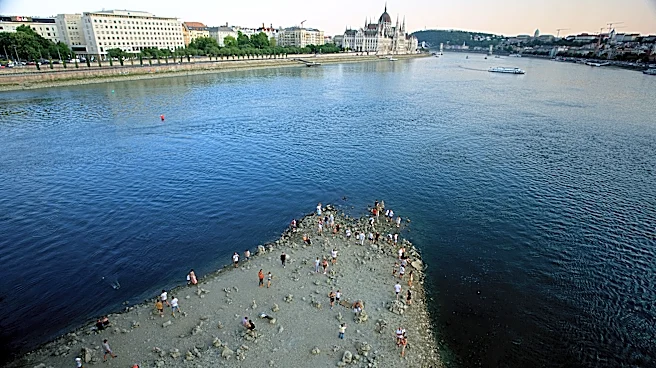
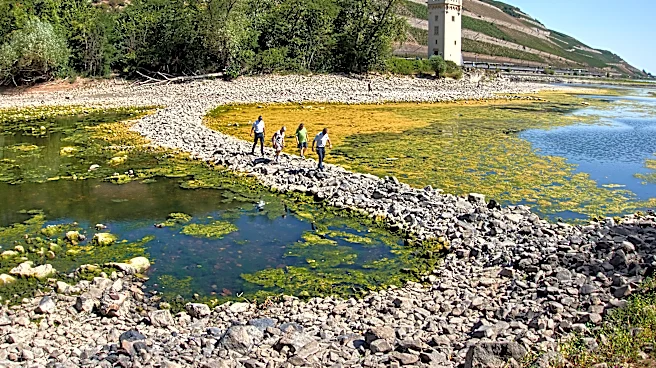
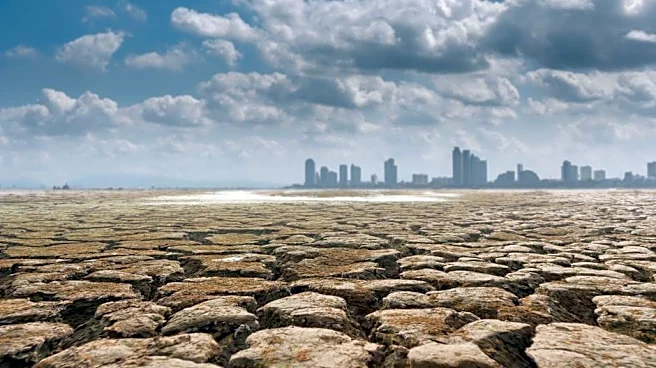
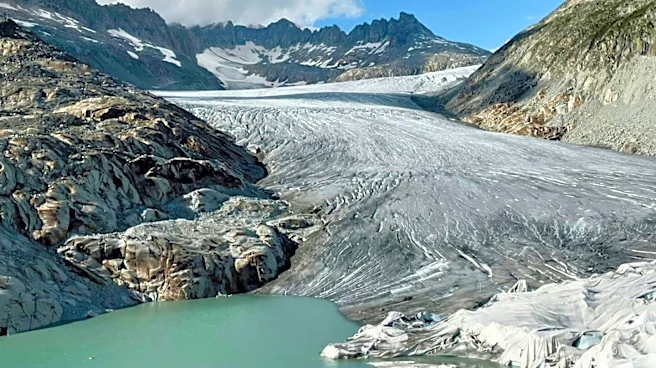
Western Europe has experienced its hottest June-July on record, with climate change driving extreme heat, drought, and wildfires. The Copernicus Climate Change Service reported that the average temperature for the period was 21.62°C, surpassing previous
records. These conditions have severely impacted river flows, agriculture, and energy production, with significant economic consequences. The situation is exacerbated by marine heatwaves and a developing El Nino, which are contributing to record-high ocean temperatures.
Why It's Important?
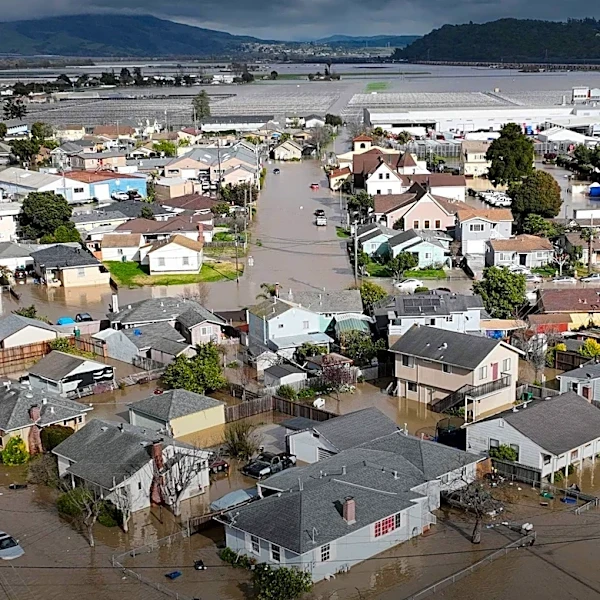
The record heatwaves highlight the urgent need for action on climate change, as the economic and environmental impacts are becoming increasingly severe. The disruption to agriculture, energy, and transportation sectors poses significant challenges for European economies, potentially leading to increased inflation and reduced economic growth. The situation underscores the importance of international cooperation and investment in sustainable solutions to mitigate the effects of climate change and adapt to its impacts.
What's Next?
As climate change continues to drive extreme weather events, European countries may need to accelerate their efforts to reduce greenhouse gas emissions and invest in climate resilience. The development of sustainable energy sources and infrastructure will be crucial in addressing the challenges posed by climate change. Additionally, international collaboration will be essential in managing the global impacts of climate change and ensuring a coordinated response to its challenges.