



What's Happening?
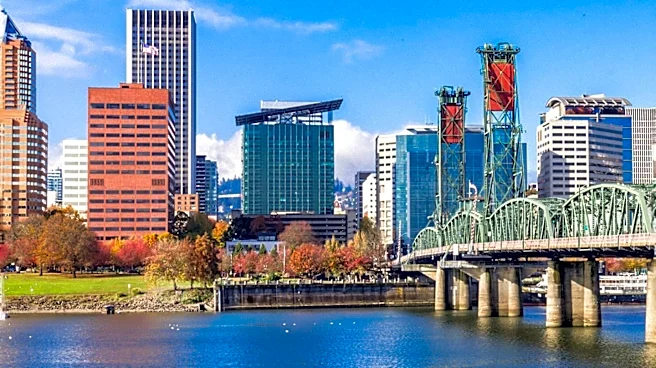
The Oregon Department of State Lands (DSL) is actively involved in the cleanup of the Portland Harbor Superfund Site, a 10-mile stretch of the Willamette River extending from the Broadway Bridge to Sauvie Island. DSL collaborates with federal, state,
and local government partners, as well as community groups and stakeholders, to share information and coordinate remediation efforts. The department's role includes providing oversight for activities that address the impacts of past industrial activities in the harbor and require specific permits or authorizations. Currently, cleanup work is underway at Willamette Cove, located between North John Avenue and the Burlington Railroad Bridge. This area was heavily used for industrial purposes from the 1900s to the 1970s, including lumber milling, barrel construction, and shipbuilding. The cove was closed during the summers of 2021 and 2022 for extensive water, soil, and sediment sample collection to inform the implementation of the EPA-approved in-water cleanup plan.
Why It's Important?
The cleanup of the Portland Harbor Superfund Site is critically important for environmental health, public safety, and economic development in the region. The Willamette River is a vital natural resource, and the presence of contaminants from decades of industrial activity poses significant risks to aquatic ecosystems and human health. Effective remediation will restore ecological balance, improve water quality, and make the river safer for recreational and commercial use. This effort also demonstrates the commitment of state and federal agencies to addressing historical environmental damage and holding responsible parties accountable. The successful cleanup can enhance property values along the river, support local businesses dependent on a healthy river environment, and contribute to the overall well-being of Portland's residents. The ongoing work at Willamette Cove serves as a tangible example of progress in this large-scale environmental restoration project.
What's Next?
The Oregon Department of State Lands will continue to process applications for permits and authorizations required for remediation and restoration work at the Portland Harbor Superfund Site. The department is also studying river water fluctuation and water saturation of soils and bedrock to determine the most effective strategies for future cleanups. The data collected from sediment sampling at Willamette Cove will guide DSL, the City of Portland, and the Port of Portland in implementing the EPA's approved in-water cleanup plan. Future activities will likely involve continued monitoring of environmental conditions, further remediation efforts in other contaminated areas within the 10-mile stretch, and ongoing engagement with stakeholders to ensure transparency and community involvement. The long-term goal is the complete restoration of the Portland Harbor to a healthy and safe condition.
Beyond the Headlines
The Portland Harbor Superfund Site cleanup represents a complex and long-term environmental undertaking with significant legal, economic, and social dimensions. The designation of the area as a Superfund site highlights the legacy of industrial pollution and the challenges of remediating large-scale environmental damage. This project involves intricate legal battles over responsibility and funding, often spanning decades. Ethically, it underscores the responsibility of industries to mitigate their environmental impact and the government's role in protecting natural resources for future generations. Culturally, the Willamette River holds deep significance for local communities, including indigenous populations, making its restoration a matter of cultural preservation. The success of this cleanup could set precedents for other large-scale environmental remediation projects across the U.S., demonstrating effective models for inter-agency cooperation and community engagement in addressing complex environmental challenges.