




What's Happening?
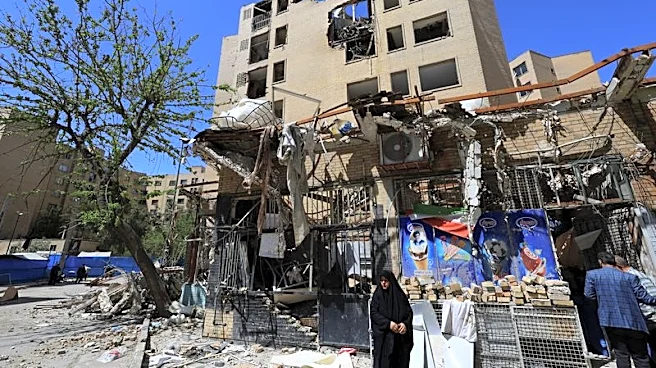
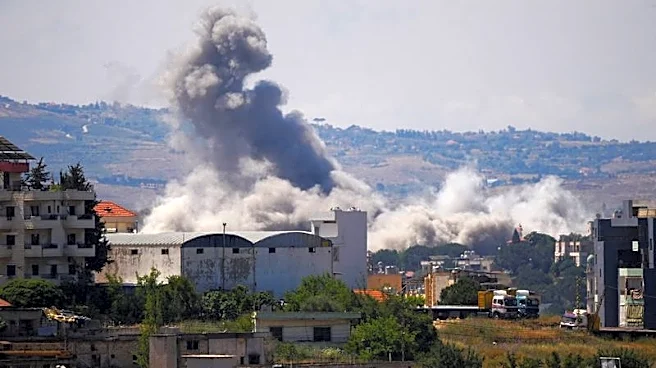
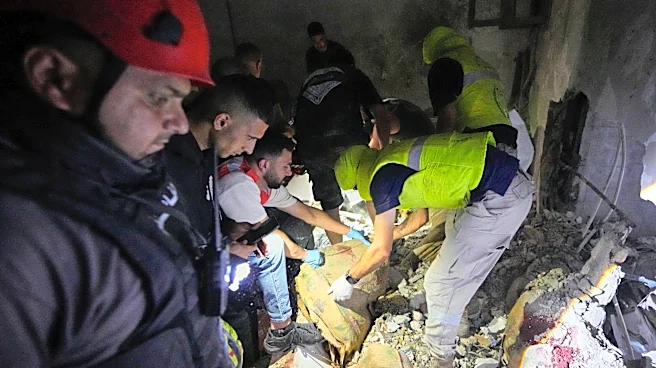
Despite a ceasefire agreement in Lebanon, violence has persisted, resulting in the deaths of 13 individuals, including soldiers and civilians. The ceasefire, intended to halt hostilities between Israeli forces and Hezbollah, has been undermined by continued
rocket fire and drone attacks. The Israeli Defense Forces (IDF) reported the death of Staff Sergeant Michael Tyukin, a soldier from the Givati Reconnaissance Unit, who was killed by an explosive drone in southern Lebanon. The ongoing conflict highlights the fragile nature of the ceasefire and the challenges in achieving lasting peace in the region.
Why It's Important?
The continued violence in Lebanon underscores the complexities of achieving a sustainable ceasefire in a region marked by longstanding tensions and geopolitical rivalries. The instability poses risks to regional security and could potentially draw in other actors, escalating the conflict further. The situation also highlights the humanitarian impact on civilians caught in the crossfire, as well as the challenges faced by peacekeeping and diplomatic efforts. The persistence of hostilities despite a ceasefire agreement raises questions about the effectiveness of current strategies and the need for renewed diplomatic engagement.
What's Next?
Efforts to reinforce the ceasefire are likely to continue, with potential involvement from international mediators seeking to broker a more durable peace agreement. The situation may prompt discussions within the United Nations and other international bodies to address the underlying causes of the conflict and explore avenues for conflict resolution. The ongoing violence could also influence domestic politics in Israel and Lebanon, affecting public opinion and government policies. Monitoring the situation closely will be crucial for stakeholders seeking to prevent further escalation.