
What's Happening?
The U.S. is witnessing a strategic shift in the Middle East, where the focus is moving from traditional military engagements to the capacity for arms production and self-sustainability. This change is highlighted
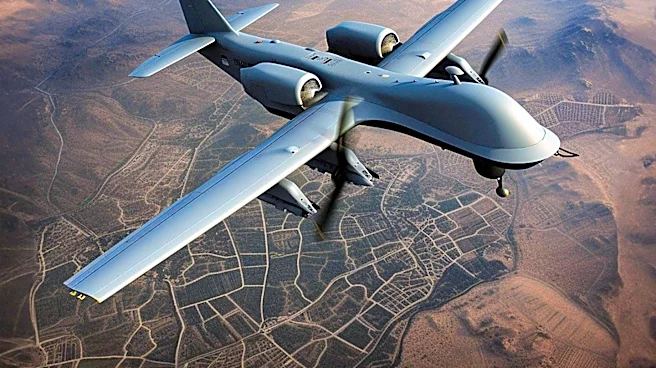
by the increasing importance of manufacturing agreements, ammunition plants, and component supply chains in the region. Countries like Turkey and Saudi Arabia are investing heavily in localizing their defense industries. Turkey has transformed into a major exporter of military equipment, while Saudi Arabia is working towards localizing over half of its military spending under its Vision 2030 initiative. This shift is not just about economic diversification but also about gaining strategic autonomy. The U.S. has been involved in supporting these developments, as seen in a recent civilian nuclear agreement with Saudi Arabia, which underscores the strategic importance of these capabilities.
Why It's Important?
This development is significant for U.S. security and foreign policy as it alters the balance of power in the Middle East. The ability of countries to produce and sustain their own military capabilities reduces their dependency on foreign suppliers, including the U.S., and enhances their strategic autonomy. This shift could impact U.S. influence in the region and necessitates a reevaluation of defense cooperation strategies. The U.S. must consider these changes in its policy-making to ensure it remains a key player in the region's security dynamics. The focus on manufacturing capabilities also reflects lessons learned from conflicts like the war in Ukraine, where sustained military operations have highlighted the need for robust production capacities.
What's Next?
The U.S. may need to adjust its regional strategies to account for these changes, potentially increasing collaboration with Middle Eastern countries on defense production and technology transfer. This could involve more joint production agreements and technology sharing to maintain influence and support allies. Additionally, the U.S. might need to reassess its arms sales and defense partnerships to ensure they align with the evolving strategic landscape. As countries in the Middle East continue to develop their defense industries, the U.S. will have to navigate these changes carefully to maintain its strategic interests.
Beyond the Headlines
The shift towards localized defense production in the Middle East could have long-term implications for global arms markets and international relations. As countries like Turkey and Saudi Arabia become more self-reliant, they may also become more assertive in their foreign policies, potentially leading to new alliances and power dynamics. This could challenge existing U.S. alliances and require a reevaluation of its global military strategy. Furthermore, the focus on manufacturing capabilities highlights the importance of industrial capacity as a component of national security, a lesson that could influence U.S. defense policy and military planning.