





What's Happening?
Approximately 3.2 million vehicles in the U.S. are currently under 'park outside' recalls, a federal designation warning owners that their cars can spontaneously combust even when turned off. This type of recall, which gained prominence in 2022, has surged
due to the increasing complexity of modern vehicles, including more electronics, hotter-running engines, and high-voltage batteries. Recent examples include plug-in hybrid Jeep Wranglers and Grand Cherokees, whose owners are advised to keep them away from buildings and avoid charging until repairs are completed. Kia also issued a recall in July for about 460,000 2020-2024 Tellurides due to a front-seat motor that could overheat. Safety experts emphasize that these 'key-off fires' pose a significant risk, turning garages and parking structures into potential hazards while automakers work on solutions.
Why It's Important?
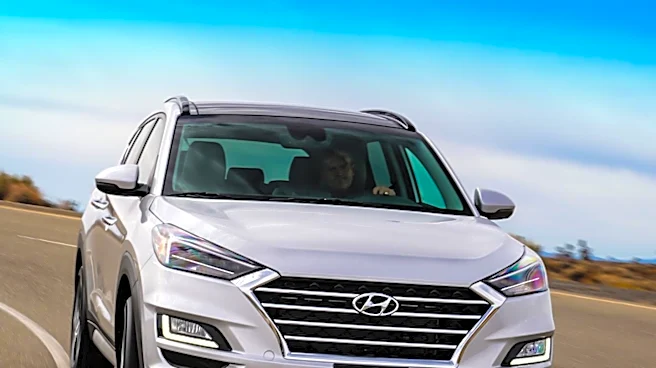
The widespread 'park outside' recalls represent a significant safety and logistical challenge for millions of U.S. vehicle owners and the automotive industry. For consumers, these recalls create a dilemma, forcing them to choose between the risk of a vehicle fire in their home or the potential for theft if parked on the street, as highlighted by the case of Hyundai owners. This situation underscores the evolving risks associated with advanced vehicle technology and the slow pace at which manufacturers can develop and implement fixes. For the automotive industry, these recalls can lead to substantial financial burdens, reputational damage, and increased scrutiny from federal regulators. It also raises questions about the thoroughness of pre-market testing and the long-term reliability of complex vehicle systems, potentially influencing future design and manufacturing practices to prioritize safety over rapid technological integration.
What's Next?
Automakers affected by 'park outside' recalls are expected to continue developing and rolling out repair solutions for the identified fire risks. Vehicle owners will need to monitor recall notices and follow manufacturers' instructions, which often include parking their vehicles outdoors and away from structures until repairs are available. Federal regulators will likely maintain pressure on manufacturers to expedite these fixes and ensure public safety. There may also be increased public awareness campaigns to inform affected drivers about the risks and necessary precautions. The long-term implications could include stricter regulatory oversight for vehicle safety, particularly concerning electrical systems and battery technology in hybrid and electric vehicles. Consumers might also see changes in vehicle insurance policies or property regulations related to parking recalled vehicles, as the risks associated with 'key-off fires' become more widely understood.
Beyond the Headlines
The 'park outside' recall phenomenon highlights a deeper societal tension between technological advancement and unforeseen risks. As vehicles become more sophisticated with integrated electronics and high-voltage systems, the potential for novel hazards increases, challenging traditional safety protocols. This situation also exposes the vulnerabilities of modern infrastructure, as residential garages and public parking facilities were not designed with the risk of spontaneous vehicle combustion in mind. Ethically, automakers face the challenge of balancing innovation with consumer safety, particularly when the root causes of these fires are complex and solutions are not immediate. The recalls also underscore a broader issue of consumer trust in technology, as the very features designed to enhance convenience and performance are now sources of significant concern. This could lead to a re-evaluation of how new technologies are introduced and regulated across various industries, emphasizing a more proactive approach to risk assessment and mitigation.