







What's Happening?
Research into the use of probiotics for oral health is ongoing, with studies exploring their potential to influence oral bacteria, plaque, and gum inflammation. Probiotics are live microorganisms intended to provide health benefits, commonly found in fermented
foods or supplements. While some studies indicate that certain probiotic strains can lead to changes in oral bacteria, such as a reduction in harmful species like *Streptococcus mutans* and *Lactobacillus*, these shifts in bacterial counts do not automatically translate to a proven reduction in cavities or gum disease. For instance, a systematic review found that probiotics reduced compounds linked to bad breath in the short term and showed modest improvements in gingivitis markers like bleeding on probing. However, the evidence for preventing cavities or treating established periodontal disease remains insufficient, with many studies highlighting that benefits often fade once probiotic use ceases. The effectiveness of probiotics is highly strain-specific, and a strain beneficial for gut health may not have the same effect in the mouth.
Why It's Important?
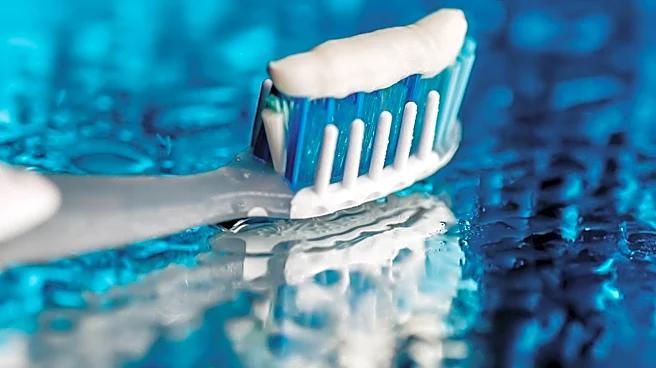
The developing research on oral probiotics is important for U.S. consumers and the dental industry as it explores alternative or supplementary approaches to oral hygiene. If proven effective, specific probiotic strains could offer new avenues for preventing common dental issues like cavities, bad breath, and gum disease, potentially reducing the reliance on traditional treatments or enhancing their efficacy. However, the current lack of strong, conclusive evidence means that consumers should be cautious about products marketed with broad claims. For the dental industry, this research underscores the need for more rigorous, long-term studies to validate specific probiotic strains and their applications. It also highlights the distinction between changes in bacterial levels and actual disease prevention, emphasizing that probiotics are not a replacement for established oral hygiene practices such as brushing, flossing, and regular dental check-ups. Misinformation or premature adoption of probiotics could lead to inadequate oral care, potentially increasing dental health problems.
What's Next?
Future research will likely focus on identifying specific probiotic strains that demonstrate consistent and significant benefits for oral health, moving beyond observations of bacterial shifts to proving actual disease prevention. This will involve more standardized study designs, larger sample sizes, and longer-term follow-up periods to assess lasting effects. The development of oral-specific probiotic products, such as lozenges or chewable tablets designed for extended contact with oral tissues, may also continue. Regulatory bodies may eventually need to establish clearer guidelines for the marketing and labeling of oral probiotic products, ensuring that claims are supported by robust scientific evidence. Consumers are advised to consult with dental professionals regarding any concerns about their oral health and before incorporating new supplements into their routine, as current evidence does not support probiotics as a standalone solution for dental problems.
Beyond the Headlines
The exploration of probiotics for oral health touches upon the broader scientific understanding of the human microbiome and its intricate role in overall health. The mouth, with its diverse microbial environment, presents a complex challenge for interventions. This research highlights the ethical considerations in marketing health products, particularly the need for clear communication about the strength of scientific evidence. The distinction between a 'natural' product and a scientifically proven one is crucial, as not all natural substances are inherently safe or effective for everyone, especially those with compromised immune systems. This area of study also reflects a growing trend in healthcare towards personalized medicine, where specific microbial interventions could be tailored to an individual's unique oral microbiome. Ultimately, the ongoing research into oral probiotics could contribute to a more holistic approach to dental care, integrating microbial balance with traditional hygiene practices, provided that robust evidence emerges to support their efficacy and safety.