








What's Happening?
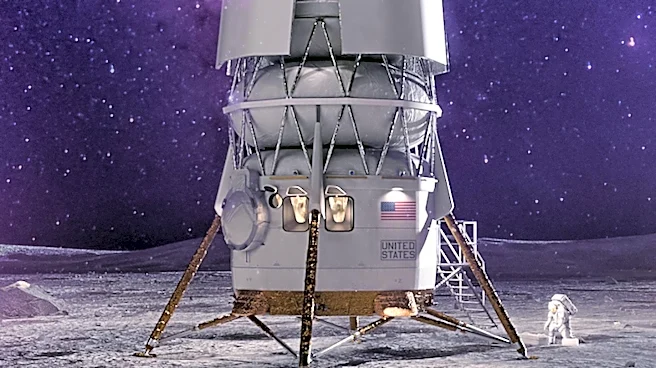
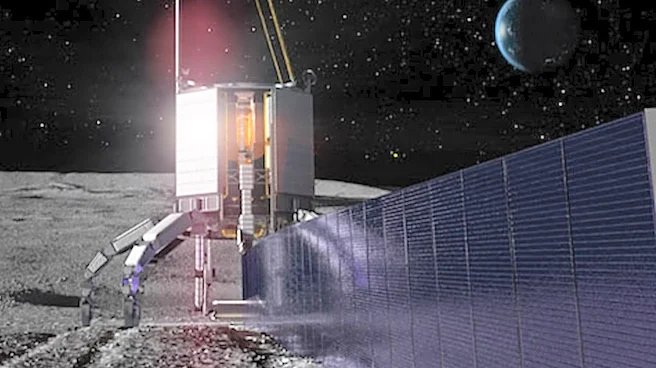
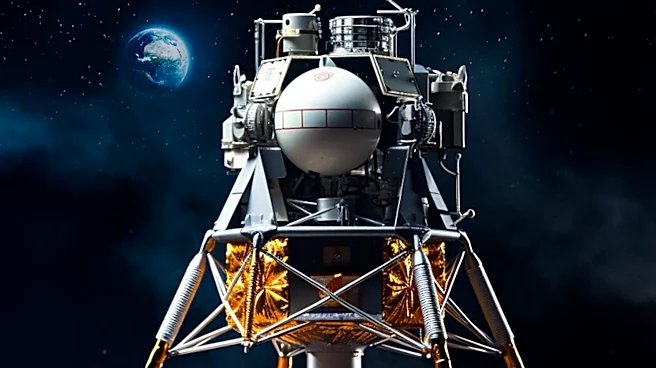
NASA is advancing plans to establish a lunar base, aiming for a semi-permanent astronaut presence on the Moon by the 2030s. The initiative involves utilizing in-situ lunar resources to reduce the cost and risk associated with transporting materials from
Earth. Key strategies include harnessing lunar ice for water and fuel production and exploring unconventional food sources, such as converting asteroid dust into edible substances. The project anticipates at least 81 rocket launches to support the base's construction and supply. Researchers are also developing technologies to generate oxygen and food on the Moon, leveraging advancements in space logistics and additive manufacturing.
Why It's Important?
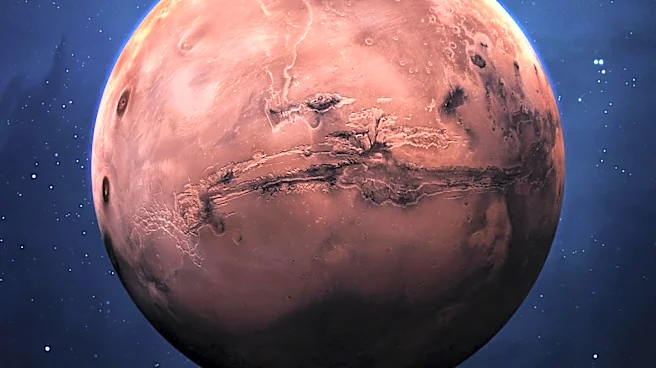
The development of a lunar base represents a significant milestone in human space exploration, potentially serving as a stepping stone for future Mars missions. By utilizing lunar resources, NASA aims to create a sustainable presence on the Moon, reducing dependency on Earth-based supplies. This approach could lower costs and increase mission resilience, paving the way for long-term human habitation in space. The project also drives technological innovation, with potential applications in other fields, such as remote area logistics and sustainable resource management on Earth.
What's Next?
NASA's lunar base project will continue to progress through research and development phases, focusing on refining technologies for resource utilization and habitat construction. The agency will conduct further tests and simulations to ensure the feasibility of living and working on the Moon. As the project advances, collaboration with international partners and private companies may play a crucial role in achieving the ambitious timeline. The success of this initiative could influence future space policy and exploration strategies, potentially leading to more collaborative and sustainable space endeavors.