








What's Happening?
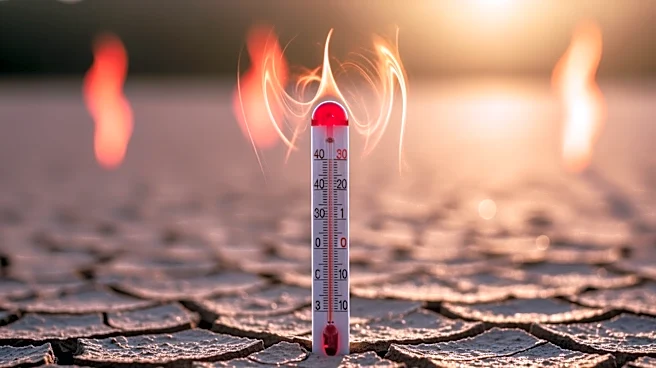
A recent report has highlighted a record-breaking year for temperatures across Europe, with a significant heatwave affecting the Nordic region. In July, temperatures soared above 30°C (86°F) in the Arctic Circle, marking an unprecedented heat event. The
report, which includes data from the EU's Copernicus and the World Meteorological Organization, indicates that Europe has experienced a temperature rise of 0.56°C per decade since the mid-1990s, the fastest rate globally. This increase is attributed to fossil fuel pollution. The report also notes a significant reduction in snow cover and mass, with annual sea surface temperatures reaching their highest recorded levels. The heatwave contributed to deadly wildfires, particularly affecting the Iberian Peninsula, and resulted in substantial glacier melting across Europe.
Why It's Important?
The findings underscore the urgent need for climate action in Europe, as the continent faces rapid warming and its associated impacts. The report calls for the EU to implement climate risk assessments and integrate climate resilience into all policies. The extreme weather events, such as heatwaves and wildfires, pose significant risks to public health, infrastructure, and ecosystems. The report's findings highlight the broader implications of climate change, emphasizing the need for global cooperation to reduce carbon emissions and mitigate future impacts. Failure to address these issues could lead to more frequent and severe climate-related disasters, affecting millions of people and causing economic disruptions.