






What's Happening?
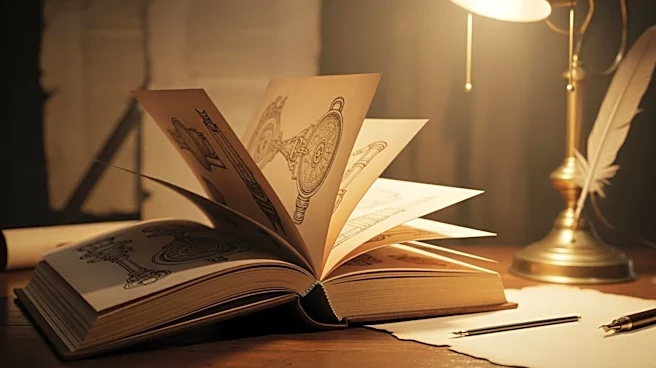
A book titled 'Lincoln: The Life and Legacy that Defined a Nation in 100 Objects' has been awarded two prestigious national history awards. The book, authored by Christina Shutt and Dr. Ian Patrick Hunt of the Abraham Lincoln Presidential Library and Museum,
explores Abraham Lincoln's influence through artifacts from the museum's collection. It received the Award of Achievement from the Lincoln Group of New York and the Barondess/Lincoln Award from the Civil War Round Table of New York. The book, published by Rizzoli New York in 2025, is praised for its visual appeal and meticulous research. Additionally, a related museum exhibit, which ran from September 2025 to April 2026, received a Superior Achievement award from the Illinois Association of Museums.
Why It's Important?
The recognition of the book and exhibit underscores the enduring interest in Abraham Lincoln's legacy and its relevance to contemporary society. By receiving these awards, the book and exhibit highlight the importance of preserving historical narratives and making them accessible to the public. This recognition not only enhances the reputation of the Abraham Lincoln Presidential Library and Museum but also emphasizes the role of historical institutions in educating the public about significant historical figures. The awards may encourage further scholarly work and public engagement with Lincoln's legacy, potentially influencing how history is taught and appreciated in the U.S.
What's Next?
Following the success of the book and exhibit, the Abraham Lincoln Presidential Library and Museum may continue to develop similar projects that explore historical narratives through artifacts. The recognition could lead to increased visitor interest and funding opportunities for future exhibits and publications. Additionally, the museum might collaborate with other historical institutions to expand the reach of its educational programs. The awards could also inspire other museums and libraries to adopt similar approaches in presenting historical content, potentially leading to a broader trend in the field of public history.