



What's Happening?
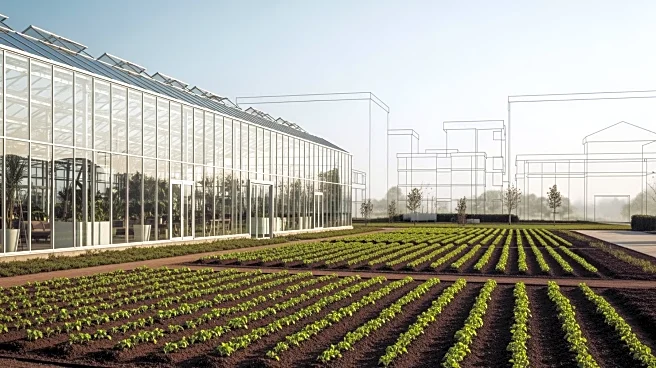
Virginia State University (VSU) is set to enhance its agricultural programming by constructing a new complex on its southern Chesterfield campus. The plan includes building three new structures: a 3,600-square-foot food demonstration building, a 1,100-square-foot
pavilion, and a 2,000-square-foot greenhouse. These will be located near the existing Summerseat house, which will also undergo renovations. The initiative aims to consolidate the College of Agriculture's components into a single site to facilitate research, instruction, and community engagement. The architectural design, by Glave & Holmes, will blend traditional materials with modern elements. Additionally, VSU plans to demolish two dilapidated residential structures on Jackson Place to make way for future developments, potentially new student housing. These buildings, dating back to the early 20th century, are in poor condition. The project awaits final approval from the Department of General Services and is subject to an archaeological study.
Why It's Important?
This development is significant as it represents a strategic investment in agricultural education and infrastructure at VSU. By consolidating its agricultural programs, the university aims to enhance educational opportunities and community engagement, potentially attracting more students and faculty to the field. The demolition of outdated structures also indicates a shift towards modernizing the campus, which could improve the university's appeal and functionality. This project aligns with broader trends in higher education where institutions are investing in specialized facilities to support academic excellence and innovation. The focus on agriculture is particularly relevant given the growing importance of sustainable practices and food security in the U.S.
What's Next?
The next steps involve obtaining final design approval from the Department of General Services and completing the pending archaeological study. Once these hurdles are cleared, VSU can proceed with construction and demolition activities. The university will likely engage with stakeholders, including students, faculty, and the local community, to ensure the project's success and integration into the campus environment. The timeline for construction and the specific details of the new student housing development remain to be clarified, which will be crucial for planning and resource allocation.