


What's Happening?
U.S. Rep. Mike Quigley (D-5th District) was among several congressional representatives whose district offices received suspicious mail last week. The incident involved U.S. Rep. Jan Schakowsky (D-9th District), U.S. Rep. Brad Schneider (D-10th District), and
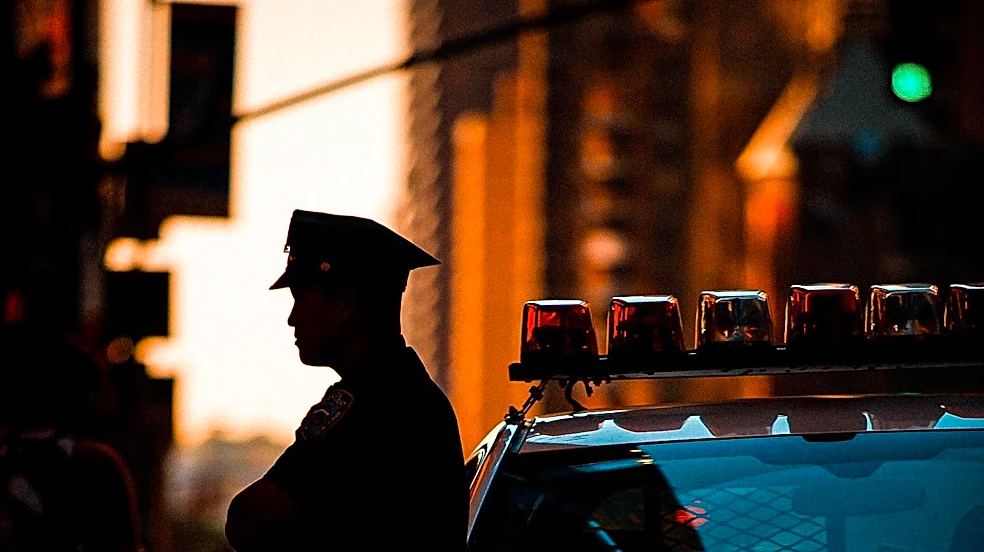
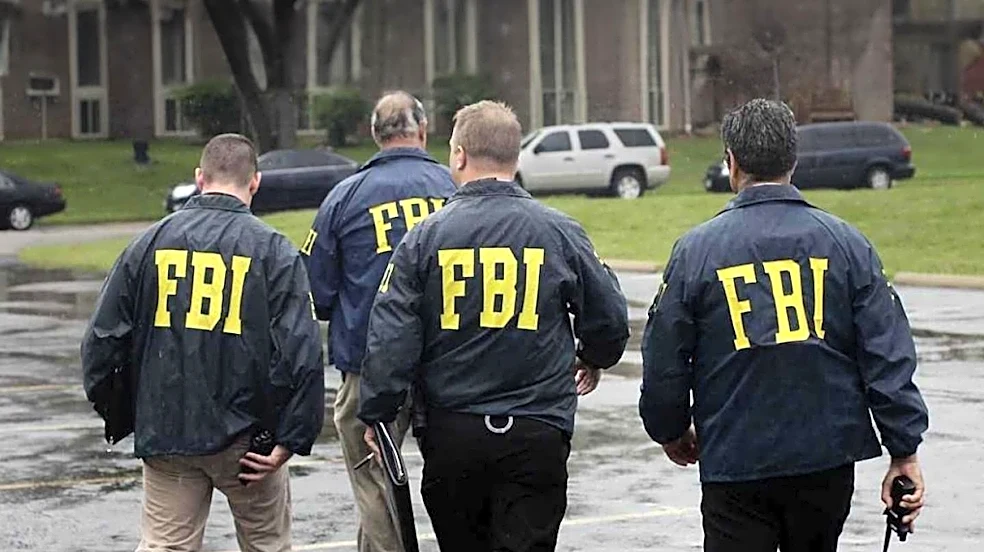
U.S. Rep. Robin Kelly (D-2nd District) also receiving similar suspicious packages. According to a news release from Schakowsky, her office received a suspicious envelope, which was not opened due to warnings from the House Sergeant at Arms. The Skokie Police Department and U.S. Capitol Police responded swiftly, with Skokie police taking possession of the letter and giving Schakowsky's office the all-clear. The FBI confirmed it is investigating suspicious mailings nationwide, including those sent to election officials and secretaries of state, noting that some letters contained an unknown substance.
Why It's Important?
The receipt of suspicious mail by multiple U.S. congressional district offices, including that of U.S. Rep. Mike Quigley, highlights a concerning trend of potential threats targeting public officials. This incident underscores the ongoing security challenges faced by lawmakers and their staff, extending beyond the Capitol Building to local district offices. Such events can disrupt official duties, create an atmosphere of fear, and potentially deter individuals from public service. The involvement of the FBI and U.S. Capitol Police indicates the seriousness with which these threats are being treated, reflecting a broader effort to safeguard democratic processes and the safety of those involved. It also raises questions about the origins and motivations behind these coordinated mailings, which could be aimed at intimidation or causing widespread disruption.
What's Next?
The FBI, in conjunction with the U.S. Postal Inspection Service, is actively investigating the suspicious mailings to identify the individuals responsible. This investigation will likely involve forensic analysis of the letters and any substances found within them, as well as tracing their origins. Congressional offices and other public officials are expected to remain vigilant and follow security protocols, such as those provided by the House Sergeant at Arms, to handle any future suspicious packages. The ongoing nature of these threats suggests that enhanced security measures and awareness campaigns may be necessary to protect public servants and ensure the continuity of government operations. The outcome of the FBI's investigation will be crucial in understanding the scope and nature of these incidents and in preventing future occurrences.
Beyond the Headlines
The coordinated nature of suspicious mailings to congressional offices and election officials across the country, including U.S. Rep. Mike Quigley's office, points to a deeper issue of political polarization and potential domestic extremism. These acts of intimidation, whether containing harmful substances or not, aim to sow fear and disrupt the functioning of democratic institutions. The targeting of election officials, in particular, suggests an attempt to undermine confidence in the electoral process. This trend could have long-term implications for civic engagement, potentially discouraging individuals from participating in public life or even voting, due to perceived threats. Addressing this issue requires not only law enforcement action but also a broader societal effort to de-escalate political tensions and foster a more respectful discourse, ensuring that public service remains safe and accessible.