


What's Happening?
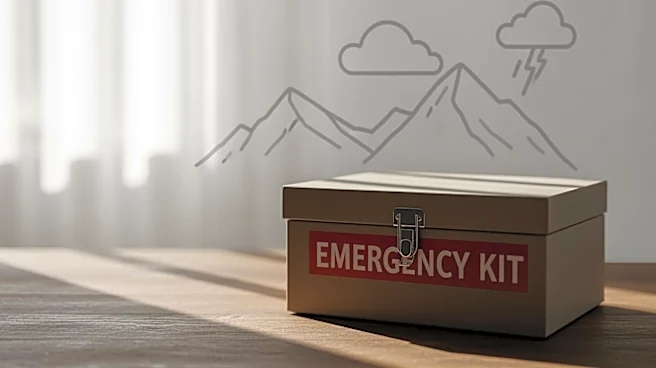
A recent survey conducted by Gallup on behalf of the think tank Vörða has highlighted a significant gap between Icelanders' trust in emergency services and their personal preparedness for emergencies. According to the survey, 94.6% of respondents expressed
confidence in the ability of emergency services and the government to respond effectively during crises. However, only 37.1% of those surveyed felt that their own level of preparedness for local emergencies was adequate. The report, described as the first of its kind in Iceland, aims to establish a benchmark for assessing public readiness for emergencies in the future. Researchers have noted the disparity between institutional trust and individual readiness, suggesting that while basic emergency supplies are widely available, there is a need to improve public awareness and encourage practical preparation.
Why It's Important?
The findings of this survey are crucial as they underscore the need for increased public awareness and individual preparedness for emergencies in Iceland. While the high level of trust in emergency services is reassuring, the low percentage of individuals who feel personally prepared indicates a vulnerability that could be detrimental in times of crisis. This gap suggests that despite the availability of emergency supplies, there is a lack of engagement or understanding among the public regarding personal preparedness measures. Strengthening individual readiness could enhance community resilience and ensure that citizens are better equipped to handle emergencies, potentially reducing the impact of disasters on society.
What's Next?
The authors of the report hope that the data will support efforts to strengthen resilience and improve public preparedness for emergencies. This could involve initiatives aimed at increasing awareness about the importance of personal readiness and providing practical guidance on how to prepare for various types of emergencies. Stakeholders, including government agencies and community organizations, may need to collaborate to develop educational programs and resources that encourage proactive measures among the public. Additionally, tracking changes in preparedness levels over time could help assess the effectiveness of these initiatives and guide future strategies.
Beyond the Headlines
The survey results also raise questions about the cultural and psychological factors influencing personal preparedness in Iceland. Despite the availability of emergency supplies, the low level of individual readiness may reflect a cultural reliance on institutional support or a lack of perceived urgency regarding personal preparedness. Addressing these underlying factors could be key to fostering a more proactive approach to emergency readiness. Furthermore, the findings could prompt discussions about the role of education and community engagement in building a culture of preparedness, potentially leading to long-term shifts in public attitudes and behaviors.