








What's Happening?
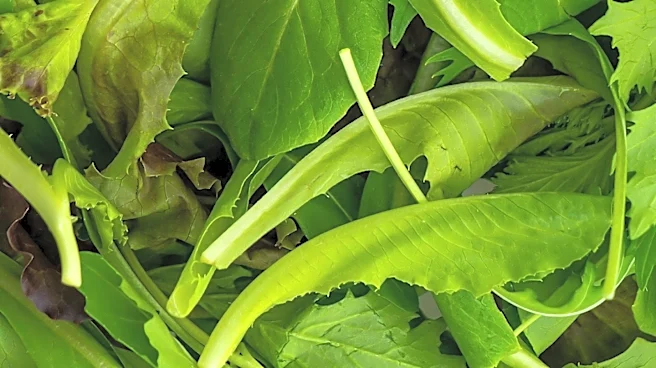
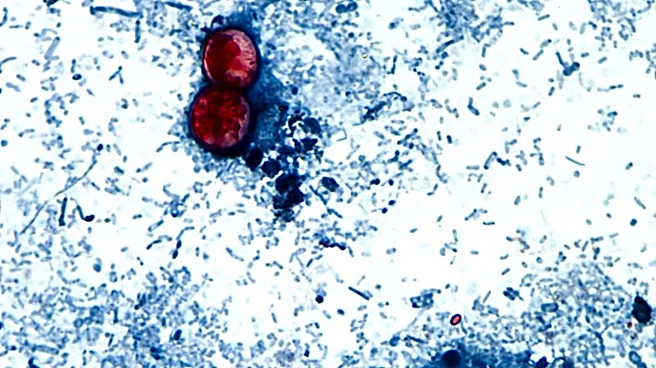
A cyclosporiasis outbreak has affected over 4,000 individuals in Michigan and Ohio, with additional cases in West Virginia and Kentucky. The outbreak, linked to the parasite cyclospora, is suspected to originate from contaminated lettuce or salad greens,
though no specific source has been identified. The U.S. Centers for Disease Control and Prevention (CDC) reports over 7,000 cases nationwide since May 1. Health officials advise caution when consuming fresh produce, particularly pre-packaged salad mixes, which have been linked to past outbreaks. The illness, characterized by prolonged diarrhea and other symptoms, poses a higher risk to young children, the elderly, and immunocompromised individuals.
Why It's Important?
The outbreak underscores the ongoing challenges in ensuring food safety and the complexities of tracing foodborne illnesses. With the potential for widespread impact, particularly in vulnerable populations, the situation highlights the need for robust food safety practices and effective public health responses. The economic implications for the agriculture and food industries are significant, as consumer confidence in fresh produce may be affected. The outbreak also emphasizes the importance of maintaining vigilance in food handling and preparation to prevent further spread.
What's Next?
Health officials continue to investigate the source of the outbreak, with a focus on identifying specific suppliers or growers. Public health advisories may be updated as more information becomes available. Consumers are advised to follow food safety guidelines, including washing produce thoroughly and avoiding pre-packaged salad mixes. The CDC and state health departments will likely increase monitoring and testing to prevent further cases. The outcome of these efforts will be critical in managing the current outbreak and preventing future occurrences.