



What's Happening?
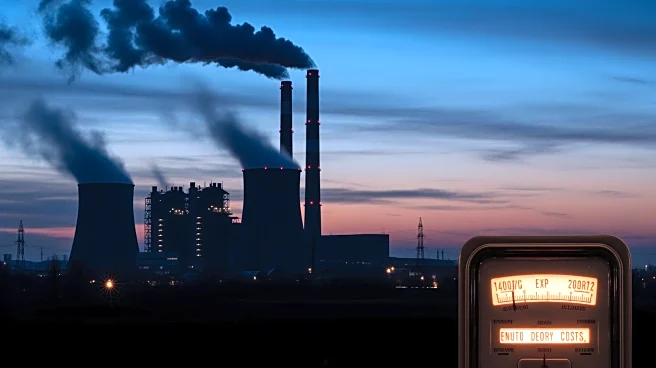
The Trump administration has issued an emergency order to extend the operations of the Centralia Generating Station, a coal plant in Washington, beyond its scheduled retirement. This decision follows similar actions taken earlier this year with the J.H.
Campbell plant in Michigan and the Eddystone power plant in Pennsylvania. The Sierra Club, an environmental organization, has criticized these moves, arguing that they are unnecessary and financially burdensome to ratepayers. The cost of keeping the Centralia plant operational is estimated at $65 million annually, which will be passed on to consumers. The Sierra Club is actively challenging these orders in court, arguing that there is no energy emergency justifying the continued operation of these aging coal plants.
Why It's Important?
The extension of the Centralia Generating Station's operations highlights ongoing tensions between environmental policy and energy needs. The decision to keep the plant running could have significant financial implications for residents in the region, as the costs are expected to be transferred to them. This move also underscores the Trump administration's support for the coal industry, despite growing calls for cleaner energy alternatives. The Sierra Club's legal challenges reflect broader environmental concerns about the impact of coal plants on public health and climate change. The outcome of these challenges could influence future energy policy and the balance between fossil fuel reliance and renewable energy adoption.
What's Next?
The Sierra Club is pursuing legal action against the emergency orders, with a case filed at the D.C. Court of Appeals. The outcome of this legal battle could set a precedent for how emergency powers are used in energy policy. If the court sides with the Sierra Club, it could lead to the closure of the Centralia plant and potentially others, accelerating the transition to renewable energy sources. Conversely, if the orders are upheld, it may embolden further use of emergency powers to support the coal industry. Stakeholders, including environmental groups, energy companies, and policymakers, will be closely monitoring the developments.