


What's Happening?
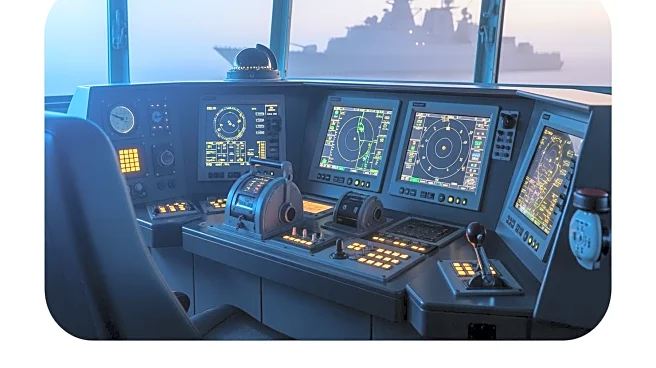
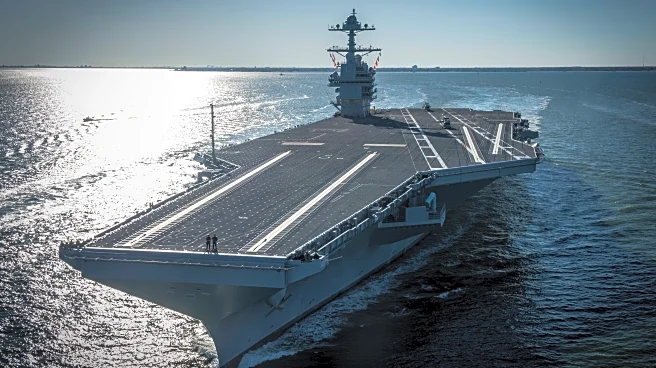
Admiral Daryl Caudle, Chief of Naval Operations, announced a strategic shift for the U.S. Navy at the West 2026 conference in San Diego. The Navy will focus on tailored forces and enhanced command-and-control systems to address the challenges posed by
asymmetric capabilities and peer conflicts. This approach moves away from relying solely on overwhelming force and emphasizes innovation, distributed operations, and mission command. The Enhanced Mission Command Framework will empower commanders to make decisions independently, ensuring operational effectiveness even when communications are disrupted.
Why It's Important?
The strategic shift reflects the changing nature of global military threats, where traditional dominance is challenged by new technologies and tactics. By adopting a more flexible and decentralized command structure, the Navy aims to maintain its strategic advantage and readiness in complex environments. This approach could influence broader military strategies and defense policies, impacting how the U.S. engages with allies and adversaries. The focus on innovation and adaptability highlights the need for continuous evolution in military capabilities to address emerging threats.
What's Next?
The implementation of the Enhanced Mission Command Framework will require significant training and cultural adjustments within the Navy. As commanders are empowered to make more autonomous decisions, the Navy will need to ensure that its personnel are equipped with the necessary skills and resources. This transition may also involve increased collaboration with other branches of the military and international partners to develop cohesive strategies for joint operations. The success of this strategy will depend on the Navy's ability to integrate new technologies and maintain operational readiness in diverse scenarios.