


What's Happening?
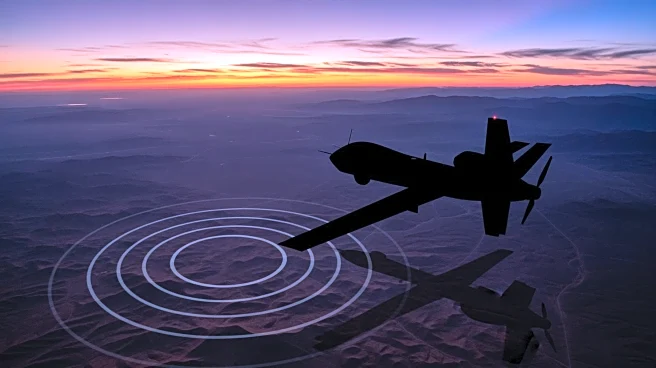
The U.S. military has initiated Operation Hawkeye, launching airstrikes against ISIS targets in Syria. This operation follows an ambush by ISIS that resulted in the deaths of two American soldiers and an interpreter. The strikes, which hit dozens of targets,
are part of a broader effort to retaliate against ISIS activities. U.S. Secretary of Defense Pete Hegseth stated that the operation is a declaration of retaliation rather than the start of a new war. The operation is expected to continue for several weeks, aiming to dismantle ISIS's operational capabilities.
Why It's Important?
Operation Hawkeye highlights the persistent threat posed by ISIS, despite its territorial losses. The group's ability to inspire and conduct attacks underscores the need for continued vigilance and military action. The operation also reflects the U.S.'s commitment to counterterrorism efforts and its readiness to respond to threats against its personnel. The strikes may influence ISIS's operational strategies and impact regional security dynamics, particularly in areas where ISIS remains active.
What's Next?
The continuation of Operation Hawkeye will depend on the evolving threat landscape and the effectiveness of the initial strikes. The U.S. may increase intelligence-sharing and coordination with regional partners to enhance the operation's success. The response from ISIS and other regional actors will be closely monitored, as any escalation could lead to broader conflict dynamics. The operation may also prompt discussions on the future of U.S. military involvement in the region.