



What's Happening?
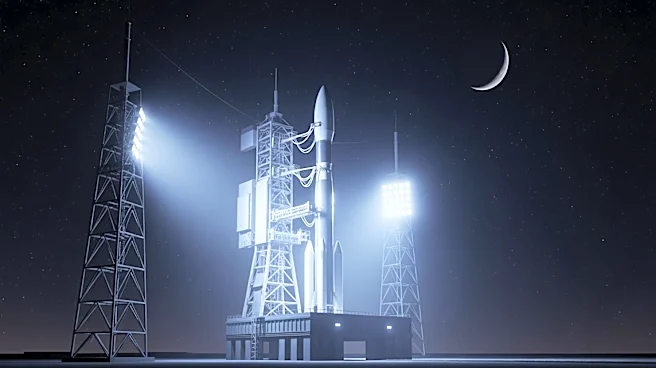
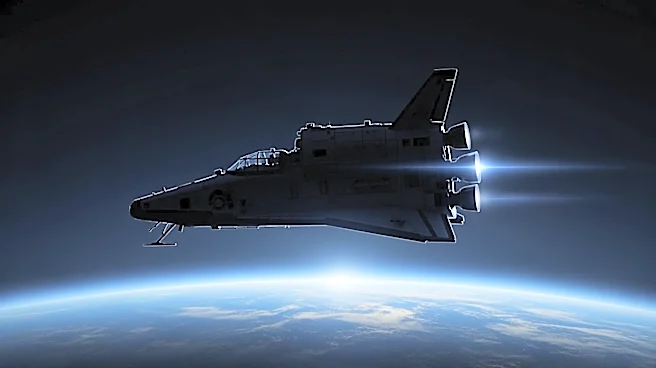
The Artemis II mission, launched by NASA, is generating excitement as it marks a return to manned lunar exploration. The mission involves sending astronauts 250,000 miles from Earth to orbit the moon, with the goal of eventually establishing a lunar base.
Despite facing delays and cost overruns, the mission is seen as the most ambitious NASA project since the Apollo era. The mission aims to rekindle public interest in space exploration, which has waned since the Apollo program. The Artemis project is part of a broader vision to eventually send humans to Mars, representing a significant technological and scientific challenge.
Why It's Important?
The Artemis II mission is crucial for reinvigorating interest in space exploration and demonstrating the potential for human missions beyond Earth. It highlights the challenges of sustaining long-term space projects, which often face political and financial hurdles. The mission's success could influence future space policy and funding, encouraging a more consistent approach to exploration. It also emphasizes the importance of international collaboration, as the mission includes astronauts from different countries. The mission's progress could inspire a new generation of scientists and engineers, fostering innovation and exploration.
Beyond the Headlines
The Artemis II mission reflects broader cultural and historical themes, such as the American frontier spirit and the quest for exploration. It also highlights the challenges of maintaining public interest and political support for space exploration. The mission's success could lead to a renewed focus on space as a frontier for human achievement, influencing cultural perceptions and inspiring future generations. The mission's progress will be closely watched, with potential implications for international collaboration and the future of human space exploration.