




What's Happening?
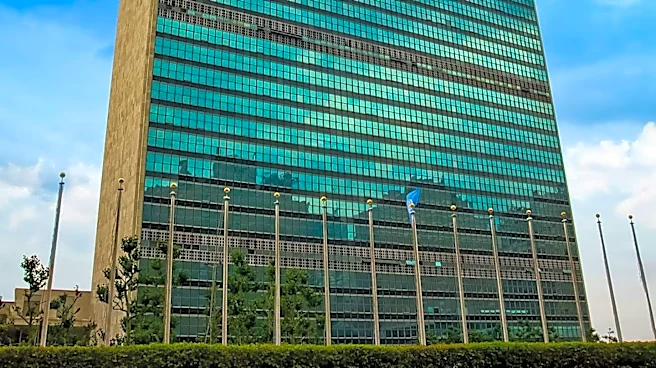
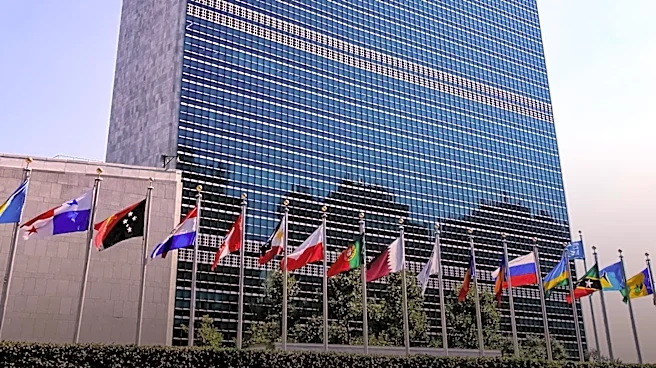
The United Nations Security Council is contemplating the establishment of a humanitarian corridor through the Strait of Hormuz. This initiative aims to facilitate the transit of frozen aid and food stocks, addressing the humanitarian crisis exacerbated
by disruptions in the strait. The proposal is part of a broader effort to support fertilizer trade and the movement of related raw materials. The UN task force, led by Jorge Moreira da Silva, has developed mechanisms inspired by other UN initiatives, such as the UN Verification, Inspection and Monitoring Mechanism for Yemen and the Black Sea Grain Initiative. The task force's mechanism is ready for operationalization, pending agreement from involved parties.
Why It's Important?
The establishment of a humanitarian corridor through the Strait of Hormuz is crucial due to its potential impact on global food security. The strait is a vital passage for global oil shipments, and its disruption has introduced significant challenges to food supply chains. The proposed corridor could mitigate these challenges by ensuring the movement of essential goods, thereby stabilizing international logistics and trade. This initiative could also serve as a model for addressing similar crises in other regions, highlighting the importance of international cooperation in resolving global issues.
What's Next?
The next steps involve securing agreement from the involved parties to operationalize the proposed mechanism. The UN Security Council may adopt a de-politicized, humanitarian product to support or authorize the mechanism. This could involve further discussions and negotiations among council members to address any political or logistical challenges. The successful implementation of the corridor could lead to improved humanitarian access and aid delivery, potentially setting a precedent for future international crisis management efforts.