







What's Happening?
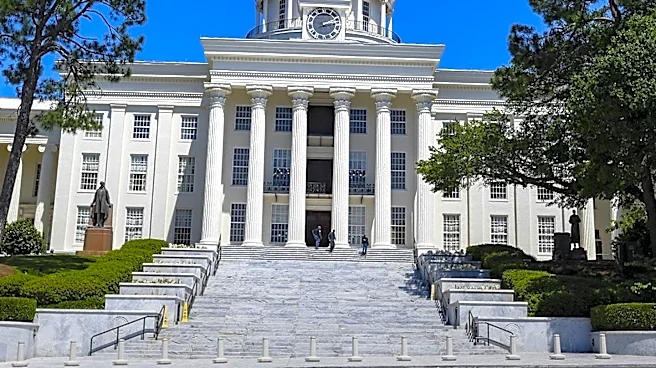
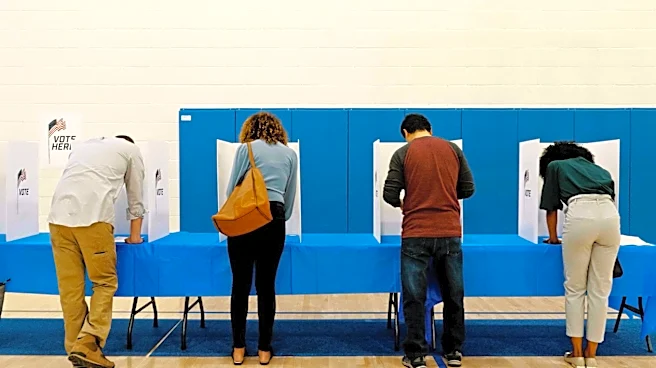
Alabama experienced a significant drop in voter turnout during a recent second primary election, with only 5.24% of registered voters participating. This election was held to vote on newly redrawn congressional districts, a move made after the U.S. Supreme
Court's decision affecting the Voting Rights Act. The low turnout is attributed to several factors, including the unusual timing of the election, lack of competitive races, and confusion over rescheduled dates. Observers noted that the state did not adequately inform voters about the new districts or election dates, contributing to voter apathy. The redistricting aimed to increase Republican chances of maintaining control in the House.
Why It's Important?
The low voter turnout in Alabama highlights the challenges and potential disenfranchisement that can occur with sudden electoral changes. The redistricting process, intended to favor Republican outcomes, underscores the ongoing national debate over gerrymandering and its impact on democratic participation. The situation in Alabama serves as a case study in how electoral processes can be manipulated, potentially affecting the balance of power in Congress. It also raises concerns about voter awareness and engagement, which are crucial for a functioning democracy.
What's Next?
Alabama voting advocates face the task of educating the public about the new districts and election processes before the general elections. There is a need for increased voter outreach and education to ensure higher participation in future elections. The state's approach to redistricting and voter communication may come under scrutiny, potentially leading to calls for reforms in how electoral changes are implemented and communicated to the public.