


What's Happening?
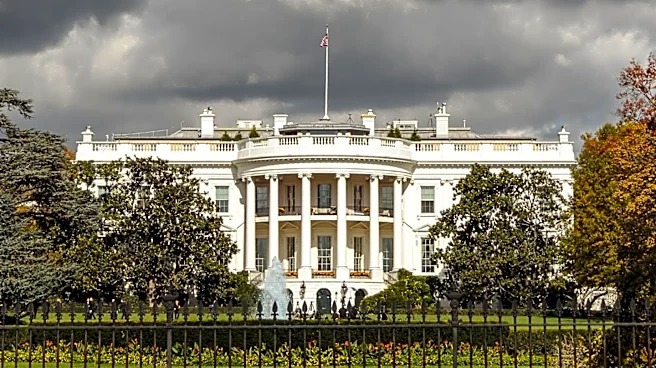
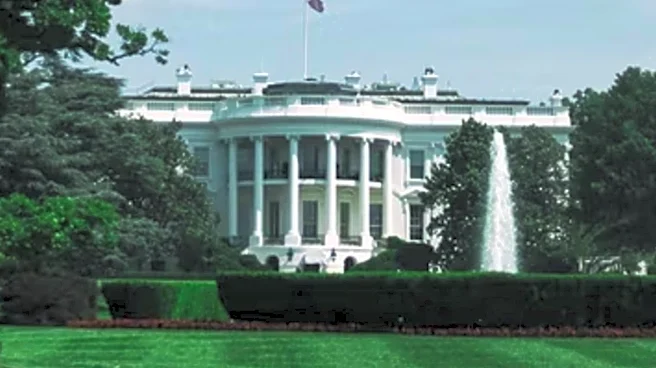
President Trump has expressed intentions to construct an expanded bunker beneath the White House. This plan has prompted discussions with presidential historian Garrett Graff, who provided context on the history of White House bunkers. The existing bunker system
under the White House has a long history, with various expansions and modifications made by previous administrations in response to evolving security threats. President Trump's proposal suggests a desire for enhanced security measures or additional facilities beneath the executive residence. The specifics of the proposed expansion, such as its size, purpose, and cost, have not been fully detailed, but the idea itself has brought attention to the historical precedent and practical implications of such an undertaking.
Why It's Important?
The proposal for an expanded White House bunker is important as it reflects a potential shift in presidential security priorities and could signify a perceived increase in threats to the executive branch. Historically, White House bunkers have been symbols of national security and continuity of government during crises. An expansion could indicate a strategic response to contemporary security challenges, whether from terrorism, cyber warfare, or other global instabilities. Such a project would involve significant financial investment and complex engineering, potentially impacting the historical integrity of the White House grounds. It also raises questions about the psychological impact of such fortifications on the perception of presidential safety and the broader national security posture.
What's Next?
Should President Trump's plan for an expanded White House bunker move forward, the next steps would likely involve detailed architectural and engineering studies, security assessments, and budgetary allocations. The project would require careful planning to ensure the structural integrity of the historic White House and surrounding buildings. There would likely be public and congressional discussions regarding the necessity, scope, and cost of such an undertaking. Presidential historians and security experts would continue to weigh in on the historical context and modern implications of such a significant security upgrade. The construction process itself would be a complex, multi-year endeavor, potentially impacting operations at the White House.
Beyond the Headlines
Beyond the immediate security and logistical considerations, the idea of an expanded White House bunker touches upon deeper themes of presidential power, national resilience, and the evolving nature of threats in the 21st century. It could symbolize a more insular presidency, emphasizing protection over accessibility. Ethically, it raises questions about transparency in government spending on security infrastructure and the balance between necessary protection and maintaining the symbolic openness of democratic institutions. Culturally, the image of an expanded bunker could reinforce public anxieties about global instability or, conversely, provide a sense of reassurance regarding the continuity of leadership during extreme events. The long-term implications could include a redefinition of the presidential workspace and the integration of advanced security measures into the fabric of the White House complex.