






What's Happening?
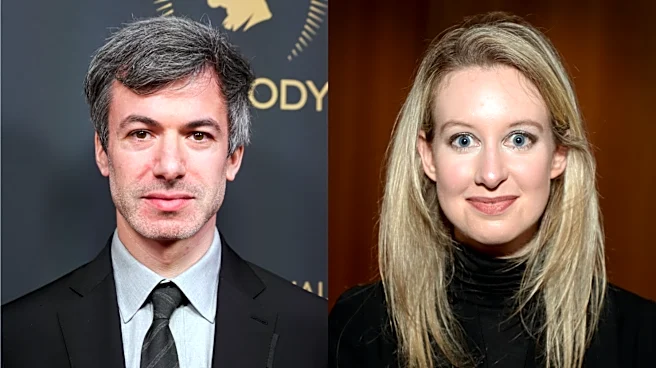
A new documentary titled 'You Can See Everything,' focusing on Theranos founder Elizabeth Holmes, was unveiled as a surprise screening at the Telluride Film Festival. Co-directed by Nathan Fielder and Lance Oppenheim, the film was made largely in secret
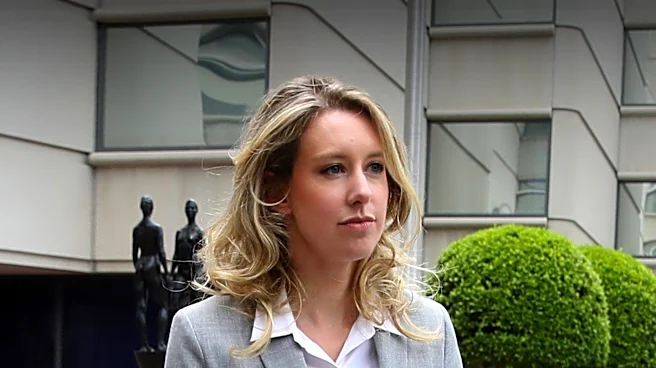
over three years, with filming commencing 34 days before Holmes reported to federal prison. The documentary provides extensive access to Holmes, her partner Billy Evans, and their two young children. Holmes was convicted in 2022 of one count of conspiracy to commit wire fraud against Theranos investors and three counts of wire fraud against individual investors, totaling over $140 million. She began serving an 11-year, three-month sentence in May 2023 and is projected for release in March 2032. The film is set for a theatrical release in October.
Why It's Important?
This documentary offers a unique and potentially controversial perspective on Elizabeth Holmes, a figure central to one of Silicon Valley's most significant fraud cases. The extensive access granted to filmmakers, particularly during her final weeks before imprisonment, could provide new insights into her mindset and the events leading to Theranos's downfall. For the legal and business communities, the film may reignite discussions about corporate accountability, investor protection, and the ethical responsibilities of startup founders. The involvement of Nathan Fielder, known for blurring the lines between reality and performance, suggests an unconventional narrative approach, which could challenge public perceptions of Holmes and the Theranos saga. This could influence how future documentaries on high-profile legal cases are produced and consumed, potentially shaping public opinion and media narratives.
What's Next?
The documentary 'You Can See Everything' is scheduled for theatrical release in October. Its release is expected to generate significant public discussion and media coverage, potentially re-evaluating the narrative surrounding Elizabeth Holmes and the Theranos scandal. Critics and audiences will likely scrutinize the film's portrayal of Holmes, especially given Fielder's unique directorial style. The film's impact could extend to ongoing legal and ethical debates within the tech and healthcare industries, particularly concerning startup transparency and investor due diligence. Depending on its reception, the documentary might also influence future legal proceedings or public discourse related to corporate fraud and accountability. The film's release will undoubtedly be a major event in the documentary landscape.
Beyond the Headlines
The documentary's exploration of Elizabeth Holmes's final weeks before prison, coupled with Nathan Fielder's unconventional approach, delves into deeper questions about truth, perception, and the nature of documentary filmmaking itself. The film's synopsis, which describes it as a 'mind-bending three-year journey into the abyss,' suggests an examination of the psychological and societal factors that contribute to such high-stakes corporate deceptions. It could prompt a broader conversation about the allure of Silicon Valley's 'fake it till you make it' culture and the pressures on entrepreneurs to deliver groundbreaking results. Furthermore, the film's access to Holmes's personal life, including her partner and children, raises ethical considerations about the portrayal of individuals involved in high-profile legal cases, particularly regarding their privacy and the impact on their families. This could influence future journalistic and documentary practices.