



What's Happening?
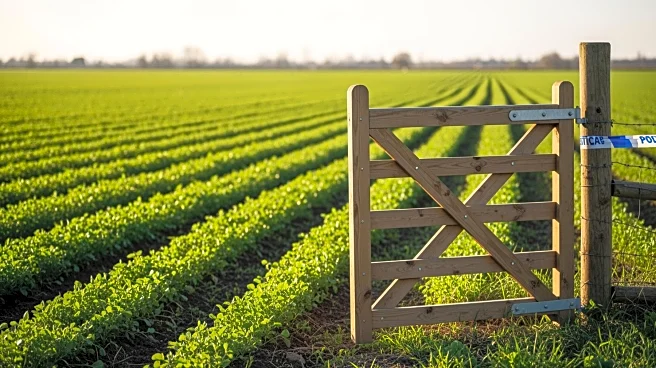
A proposal by Republican Representative Adam Botana from Bonita Springs, Florida, aims to simplify the process for converting agricultural lands into residential developments. The bill, known as HB 691, has successfully passed its second House Committee.
It seeks to replace the current requirement for comprehensive plan amendments with an expedited certification and review process. This change would allow property owners with agricultural parcels surrounded by existing developments to pursue single-family residential projects without needing to amend local comprehensive plans. The bill mandates a public hearing within 30 days of application submission and automatic certification if local governments do not act within 90 days. The measure also restricts local governments from imposing more burdensome regulations on these developments compared to similar projects. The bill has been advanced to the State Affairs Committee, with a similar bill already progressing in the Senate.
Why It's Important?
The proposed legislation could significantly impact land development in Florida by streamlining the process for converting agricultural land into residential areas. This could lead to increased housing development in areas currently designated as agricultural, potentially addressing housing shortages. However, it also raises concerns about the balance between development and preserving agricultural land. The bill's passage could set a precedent for other states considering similar measures, influencing national discussions on land use and development policies. Stakeholders such as developers and local governments will be closely watching the bill's progress, as it could alter the regulatory landscape for land development.
What's Next?
The bill will proceed to the State Affairs Committee for further consideration. If it passes there, it will move to the full House for a vote. A similar bill is also making its way through the Senate, indicating a coordinated legislative effort to enact these changes. If both bills are approved by the Florida Legislature and signed by the Governor, the new rules could take effect as early as July 1. This timeline suggests that stakeholders, including developers and local governments, should prepare for potential changes in the regulatory environment. The outcome of this legislative process will be closely monitored by those interested in land development and agricultural preservation.