


What's Happening?
Disney, the parent company of ABC, has filed a lawsuit against the Federal Communications Commission (FCC), alleging that the Trump administration is engaging in a retaliatory campaign against ABC's First Amendment rights. The lawsuit claims that the FCC ordered
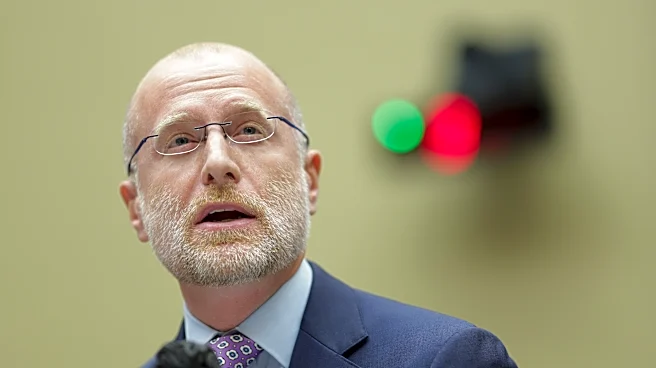
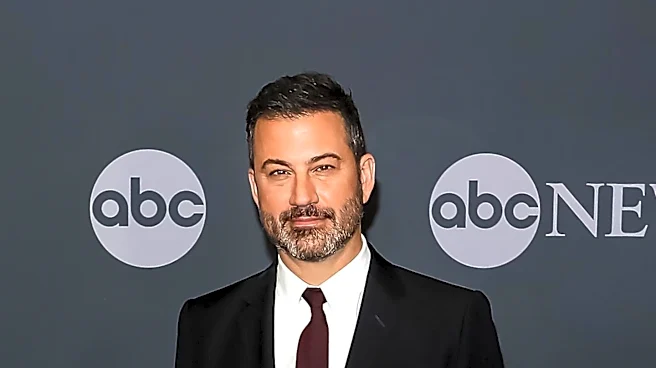
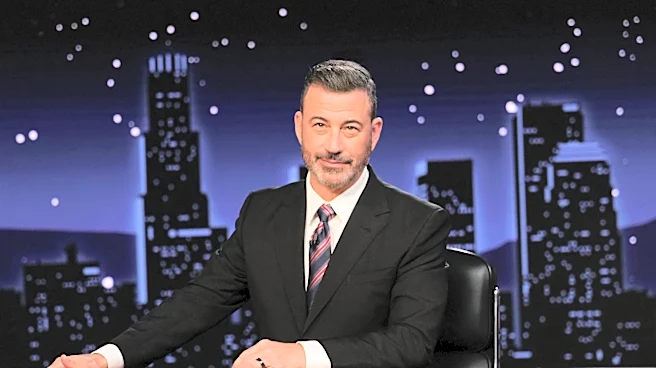
eight ABC-owned television stations to file for federal broadcast license renewals ahead of their scheduled time. ABC asserts that this action is an attempt to silence dissent, specifically citing President Trump's social media posts from December 2025, where he questioned whether broadcast licenses should be terminated for networks and late-night shows that are "almost 100% Negative to President Donald J. Trump, MAGA, and the Republican Party." FCC Chairman Brendan Carr, described as a 'MAGA acolyte,' has reportedly pressured local stations to pull 'Jimmy Kimmel Live' and has targeted 'The View' for its critical commentary on President Trump, arguing for equal time for Republican views despite established broadcast practices.
Why It's Important?
This lawsuit marks a significant shift in Disney's approach to the Trump administration. Previously, ABC News paid $15 million to President Trump in December 2024 after he sued over the network's coverage, a move many legal experts considered a concession to a 'frivolous' suit. The current legal challenge indicates a new stance of resistance from a major media corporation against perceived governmental overreach and attempts to control media narratives. This development could set a precedent for how media organizations respond to political pressure regarding their content. The outcome of this case could impact the independence of broadcast journalism and the regulatory powers of the FCC, particularly concerning content perceived as critical of a sitting administration. It highlights the ongoing tension between media freedom and political influence in the United States.
What's Next?
The lawsuit will proceed through the federal court system, where ABC will present its arguments regarding the alleged First Amendment violations and retaliatory actions by the FCC. The FCC, under Chairman Brendan Carr, will likely defend its actions as within its regulatory authority. The legal battle could be protracted, potentially involving appeals to higher courts. This case may also prompt reactions from other media organizations, civil liberties groups, and political figures, potentially leading to broader discussions about media independence and government regulation. Depending on the court's decision, there could be implications for future broadcast license renewals and the extent to which political criticism can influence regulatory actions against media outlets. The situation could also influence public perception of both the FCC's role and the media's freedom to report critically on political leaders.
Beyond the Headlines
The core of this dispute delves into fundamental questions about the role of media in a democratic society and the boundaries of governmental power over broadcast entities. The administration's alleged attempts to influence content through regulatory pressure raise concerns about censorship and the chilling effect on free speech. This case could illuminate the evolving landscape of media-government relations, especially in an era of heightened political polarization and the proliferation of social media as a platform for political discourse. It also underscores the economic power dynamics at play, where large corporations like Disney must weigh financial and legal risks against journalistic integrity. The outcome could redefine the interpretation of the First Amendment in the context of broadcast media regulation and potentially influence future legislative or policy debates regarding media ownership and content control.